.png)
A Rice cooker prepares rice automatically and without the need for supervision. The result is always consistent – without burning or undercooked grains. Many models also include a steaming insert, which allows you to prepare vegetables or fish at the same time.
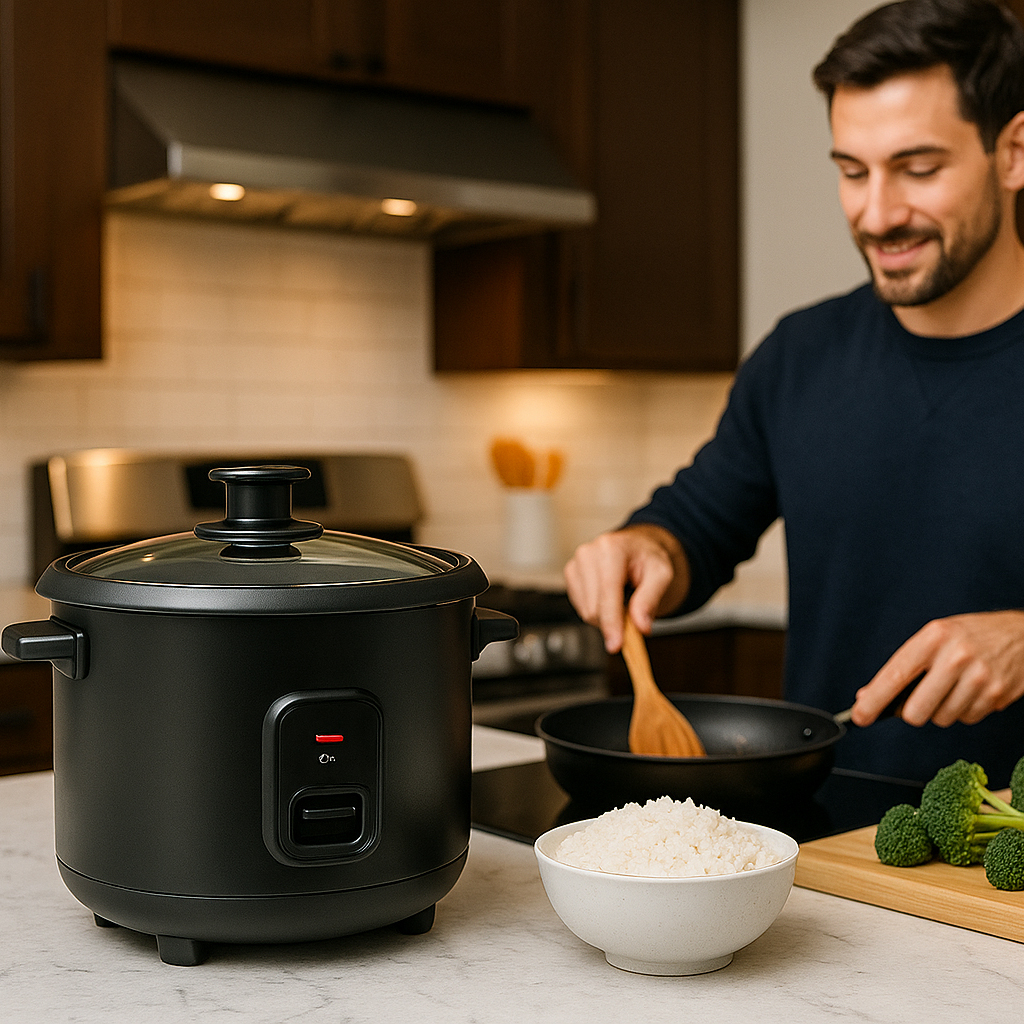
The rice cooker is focused on one main ingredient – although it can handle other cereals and steaming, it does not fully replace a multi-functional cooking pot. But for regular rice cooking, it's unbeatable.
Quality rice cookers
What is the difference between them?
Electric rice cooker vs steamer insert
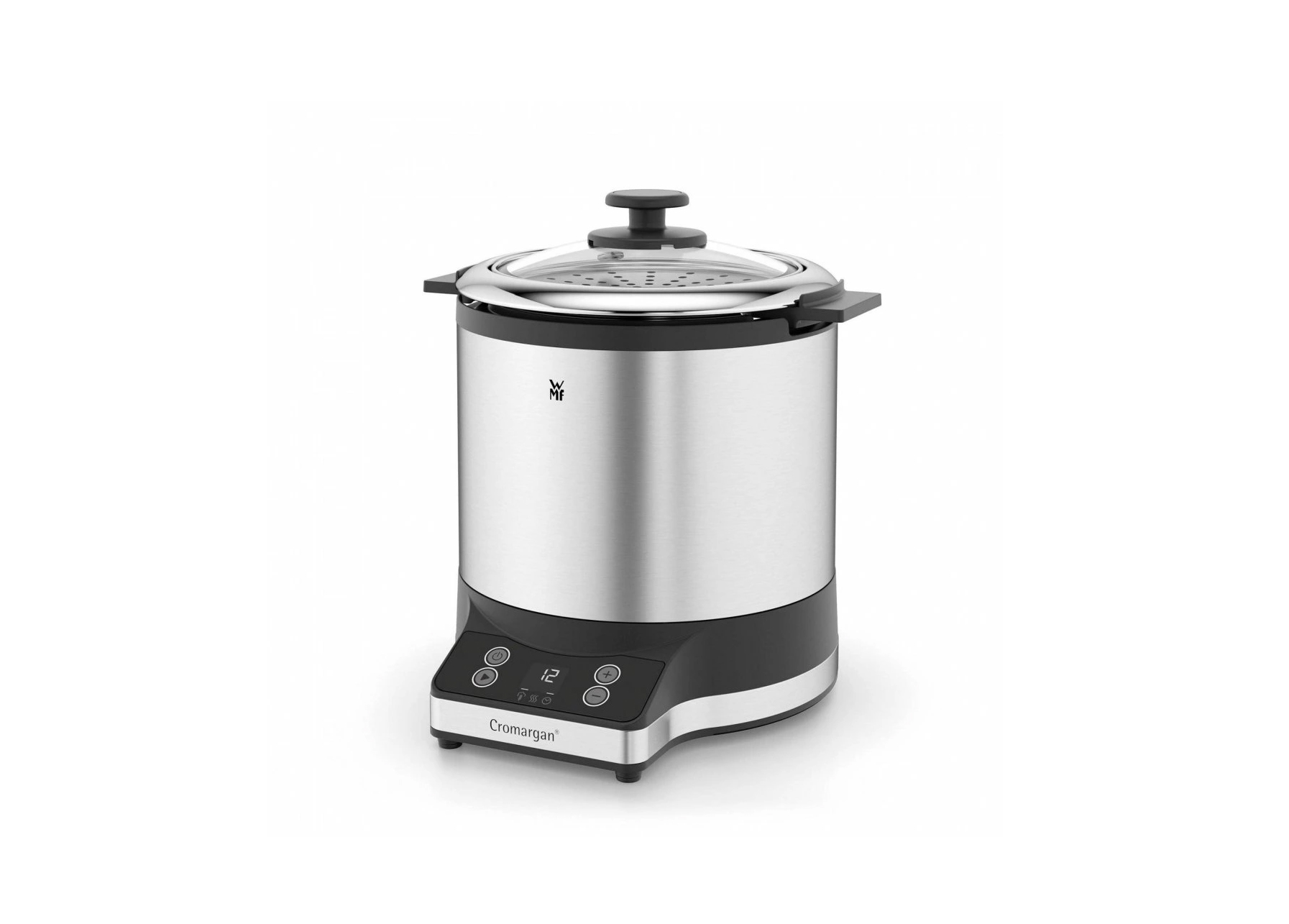
Rice cooker
Specifically designed for automatic and flawless rice preparation. Precisely regulates temperature and time, switches off automatically and keeps the rice warm until serving. The rice is soft, juicy and evenly cooked – with no need to check.
- Consistent results, simple operation, keep warm function.
- Higher purchase price, takes up more space.
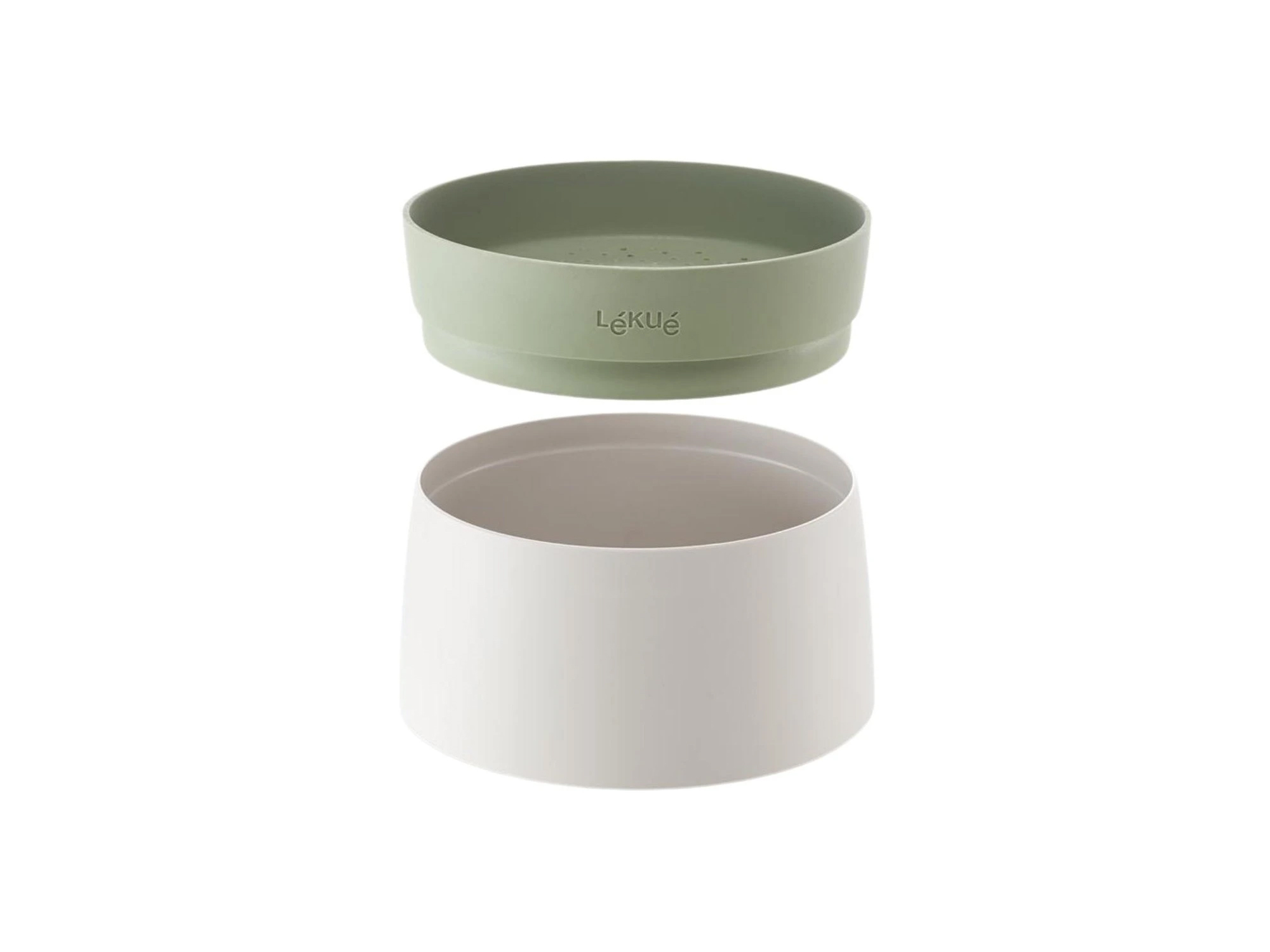
Steamer insert
A simple way to prepare rice in steam, often as an addition to a steamer or multi-cooker. Rice tends to be less sticky, sometimes drier, and preparation requires a more precise estimate of the amount of water and time. The result may vary, and it's necessary to monitor the rice. Suitable for occasional cooking or small portions.
- Low initial cost, easy to store.
- Less consistent result, requires monitoring, drier texture.
Our tip
Read also

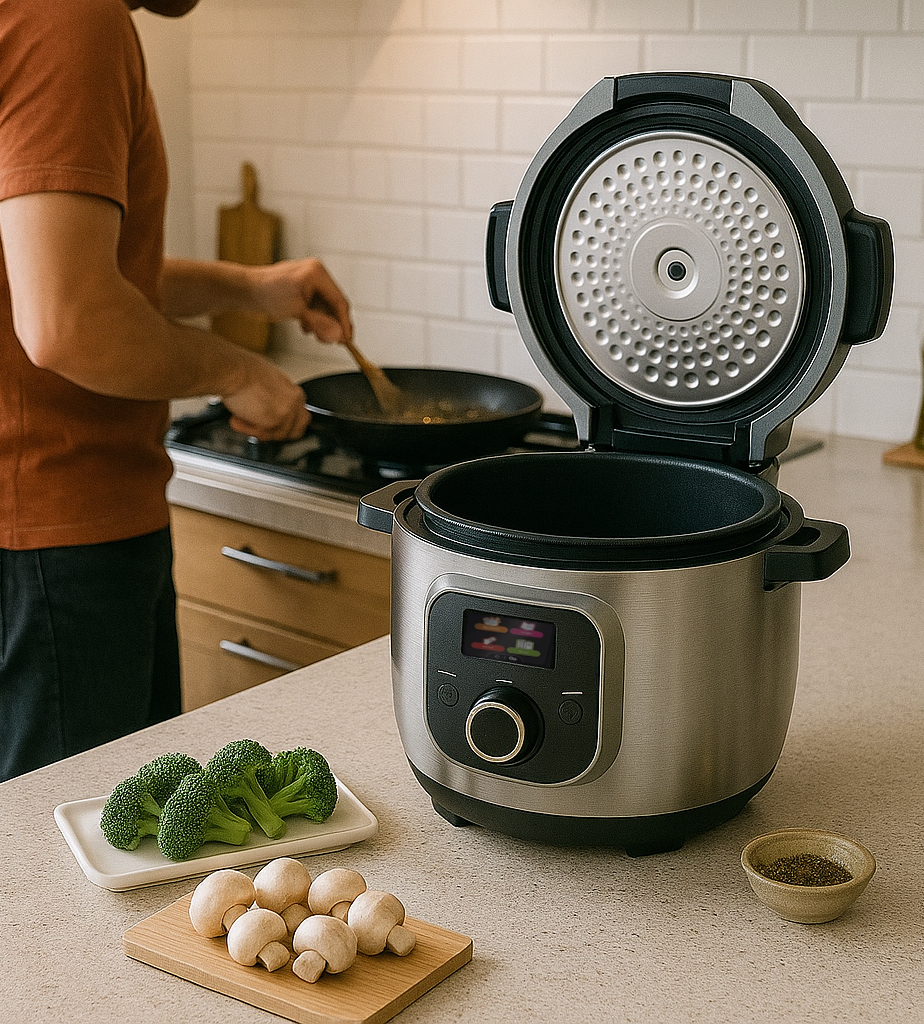
Who is a multifunctional cooking pot suitable for?
It can handle dinner at the touch of a button, saving time and washing up, and offers many functions in one - that's a multi-functional cooking pot. We'll take a look at what these pots can do, what types are available, what to look for, and when it's best to reconsider buying one.
What to focus on when choosing a rice cooker?
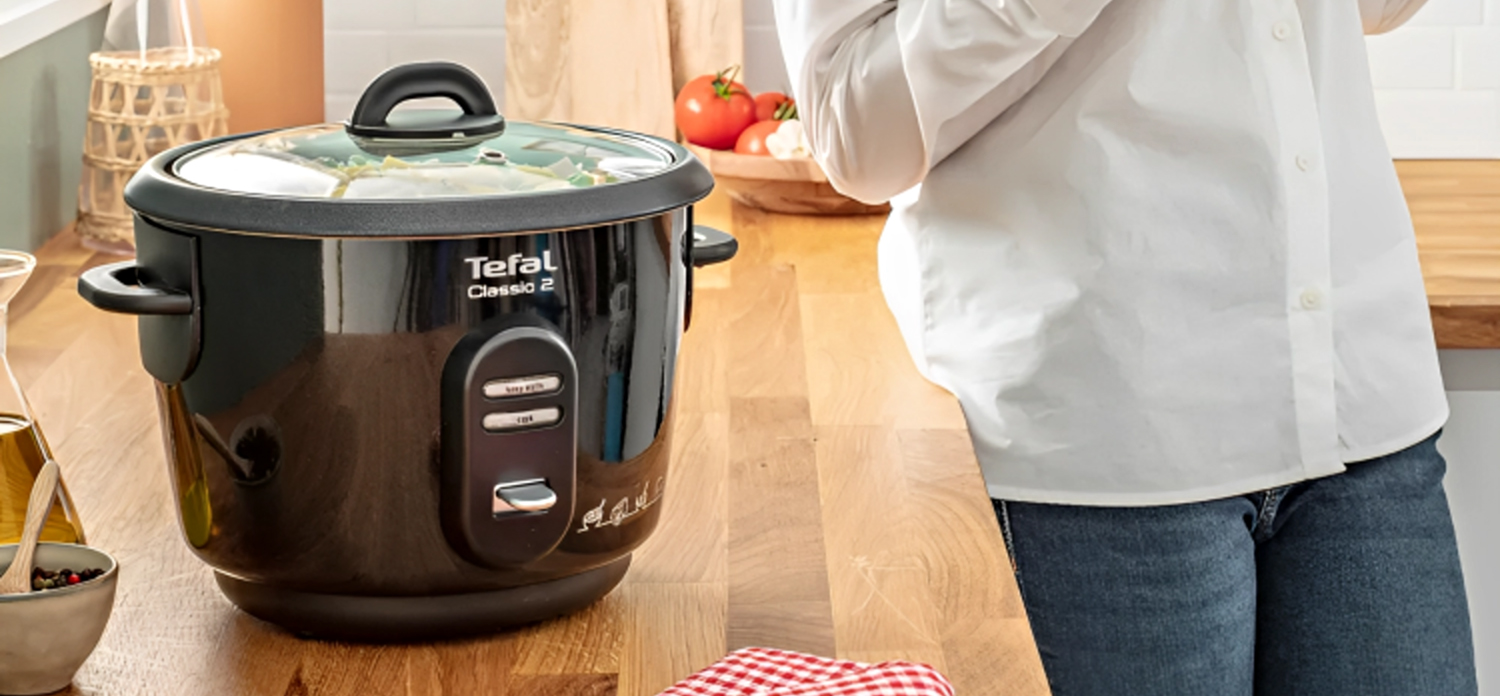
Container volume
Choose the size according to the number of diners. Typical families will use models with a capacity of 1.5–2.5 litres, a rice cooker with a capacity of around 1 litre is sufficient for one to two people, and larger households or frequent cooking will appreciate 3 litres or more.
The capacity is often also given in 'cups of uncooked rice' – 1 cup usually means 2–3 servings of cooked rice.
The capacity is often also given in 'cups of uncooked rice' – 1 cup usually means 2–3 servings of cooked rice.
Functions and programmes
The basics are automatic switch-off and keep-warm function, which keeps the rice warm even after cooking.
More advanced models also offer preset programmes – for example, for white, jasmine or brown rice, pulses, porridge, or even steaming vegetables.
Some rice cookers have a timer or delayed start, so your meal is ready right on time.
More advanced models also offer preset programmes – for example, for white, jasmine or brown rice, pulses, porridge, or even steaming vegetables.
Some rice cookers have a timer or delayed start, so your meal is ready right on time.
Practical accessories
Many rice cookers come with a steaming basket, allowing you to prepare vegetables or fish at the same time as the rice. This allows you to manage the entire meal in one appliance, without needing extra cookware.
It also includes a rice measuring cup and a plastic spoon that won't scratch the pot.
Some models also include a condensate container or a drip tray.
It also includes a rice measuring cup and a plastic spoon that won't scratch the pot.
Some models also include a condensate container or a drip tray.
Easy maintenance
Models with a removable non-stick pot are ideal, as they can simply be rinsed or placed in the dishwasher.
Some rice cookers also have a removable lid for easier cleaning.
If you are looking for a more durable option, you can choose a model with a ceramic bowl, which is more demanding to maintain.
Some rice cookers also have a removable lid for easier cleaning.
If you are looking for a more durable option, you can choose a model with a ceramic bowl, which is more demanding to maintain.
Size and design
A Rice cooker tends to be compact, so it doesn't take up much space on the worktop. However, it is good to think in advance about where you are going to store it and how often you want to use it.
In terms of design, they range from simple white versions to modern stainless steel or black models with touch controls.
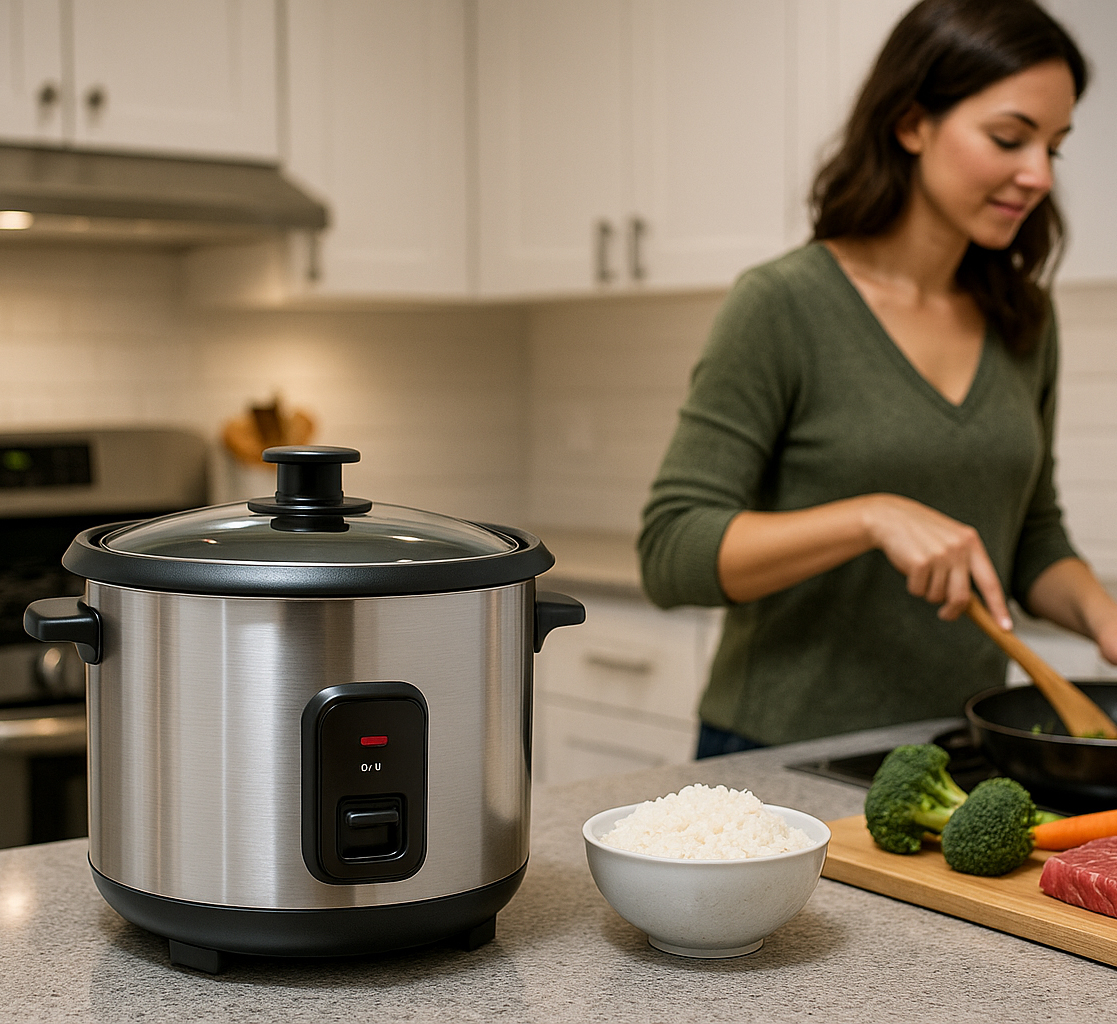
Tips for Cooking in a Rice Cooker
- Maintain the Correct Water-to-Rice Ratio
The usual ratio is 1 part rice to 1.5 parts water (e.g., 1 mug of rice and 1.5 mugs of water). Some varieties, such as jasmine or basmati, may require less water. Most rice cookers have a measuring cup and markings directly in the container. - Always rinse the rice
Rinsing removes excess starch, which makes the rice less sticky and the resulting texture finer. - Do not overfill the container
When cooking, the volume of the rice will increase, so stick to the recommended amount to prevent overflow. - Don't rush to open it
After the program has finished, let the rice 'rest' for a while in the keep-warm mode – about 5–10 minutes. The resulting texture will be more even. - Don't be afraid to experiment
Many rice cookers can also be used to prepare quinoa, bulgur, buckwheat or millet. Sweet porridges, pulses or steamed vegetables are also suitable – use the included steaming basket if the model offers one. - You can adjust the flavour
You can add salt, a drop of oil, broth, coconut milk or herbs to the water – the rice will gain a delicate flavour and be even more interesting. - Non-stick surfaces make cleaning easier
After cooling, gently wash the container, ideally with a soft sponge. Maintenance is even easier with dishwasher-safe models.
FAQ
Most frequently asked questions
Does rice burn in a rice cooker?
Usually not. Rice cookers have a non-stick pot and automatic temperature control, which prevents the rice from burning. The key is to adhere to the recommended water-to-rice ratio and rinse the rice well before cooking. With cheaper models, it's best not to exceed the recommended capacity.
How much water should I use in a rice cooker?
The standard ratio is 1 cup of rice to 1.5 cups of water. The ratio may vary depending on the type of rice and dishes – for example, brown rice or legumes require more water. Most rice cookers have internal markings to help with precise measurements.
How long does it take to cook rice in a rice cooker?
Cooking takes approximately 20–30 minutes depending on the amount and type of rice. Brown rice or legumes need more time – around 40–50 minutes. After cooking, the appliance automatically switches to keep-warm mode.
How much rice can I cook in a rice cooker?
Capacity is usually stated in 'cups of uncooked rice'. One cup represents approximately 150–180g, or 2–3 servings of cooked rice. Small models hold 2–3 cups, medium models 5–6 cups, and large models more than 10. Always check the recommended maximum capacity of the appliance.
What is the difference between a cheaper and a more expensive rice cooker?
Cheaper models handle basic rice cooking with a keep-warm function. More expensive rice cookers have more programmes (for different types of rice and other foods), better materials, a more durable bowl, a delayed start and often more advanced temperature control for a more perfect result.