.png)
When you need to peel an apple, chop herbs or precisely process meat, the long blade of a chef's knife is rather a liability. That's where the short knife comes in - a versatile helper that shouldn't be missing from any kitchen. But how to choose the right one? Let's take a closer look at these unassuming heroes.
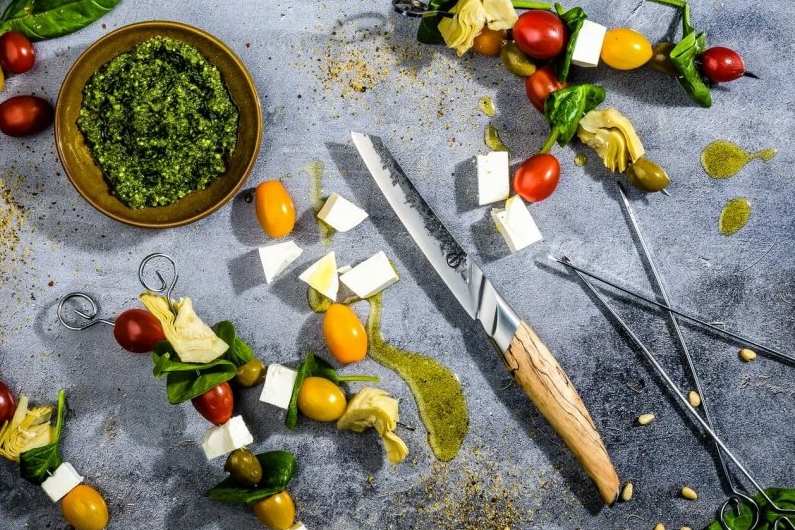
Which types of short knives to choose from
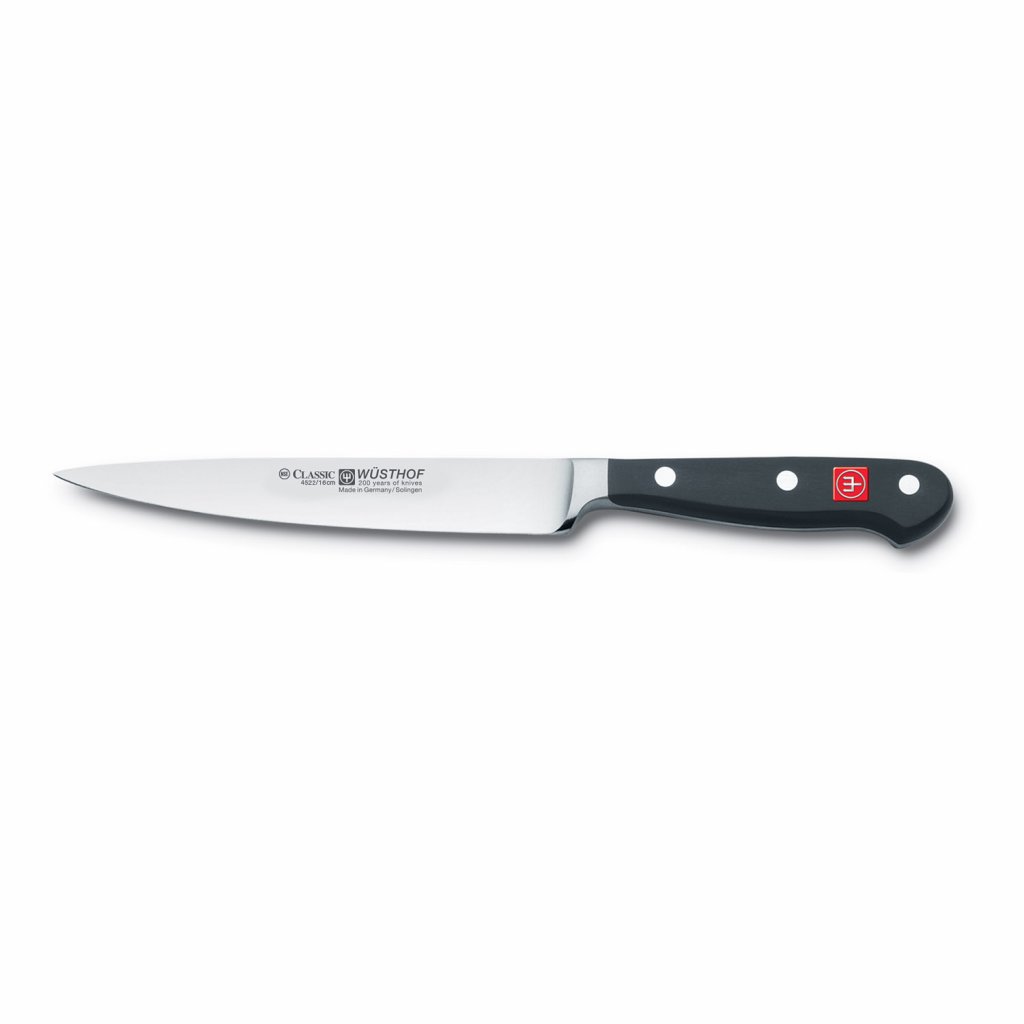
- Blade length between 10-15 cm
- Smaller version of the chef's knife.
- Great for cutting fruit, vegetables and smaller cuts of meat.
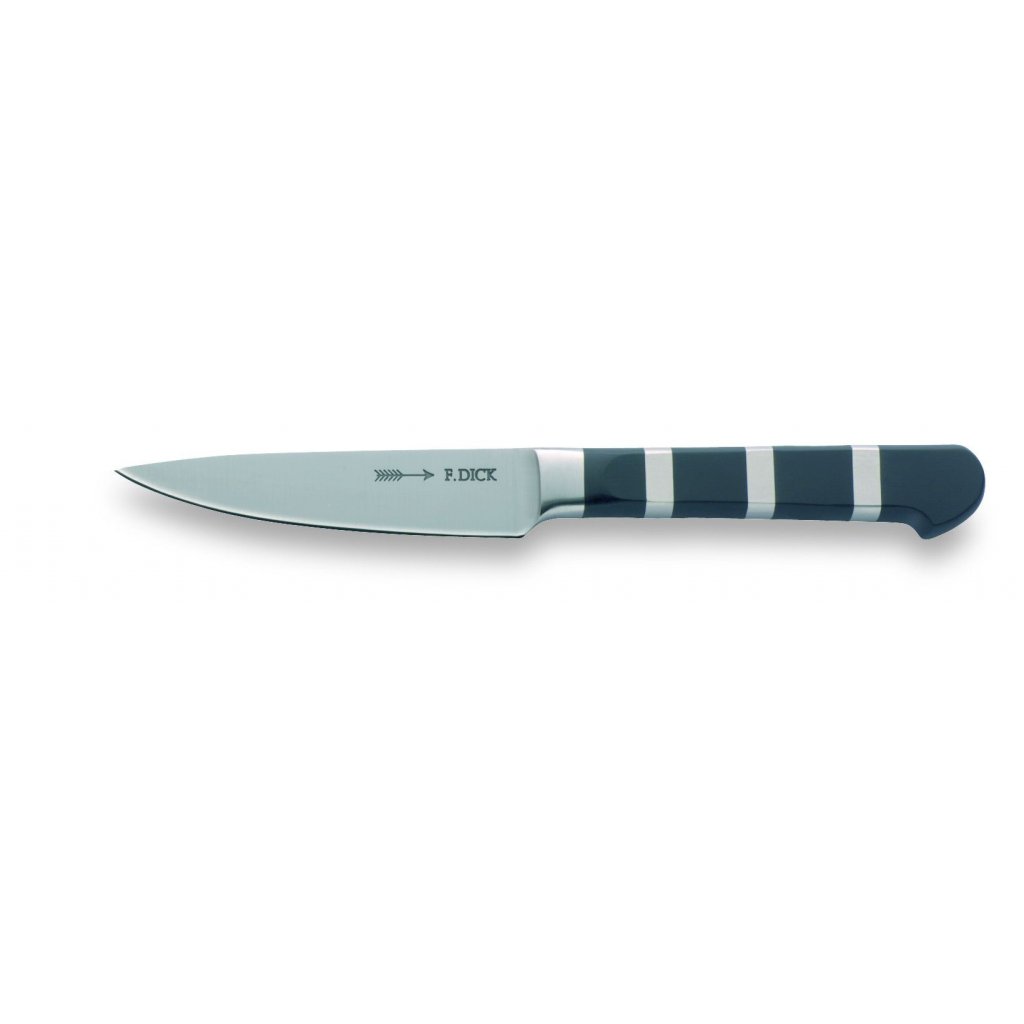
- Blade length between 7-10 cm.
- A small, sharp knife with a narrow blade.
- Ideal for fine trimming of vegetables, but also meat.
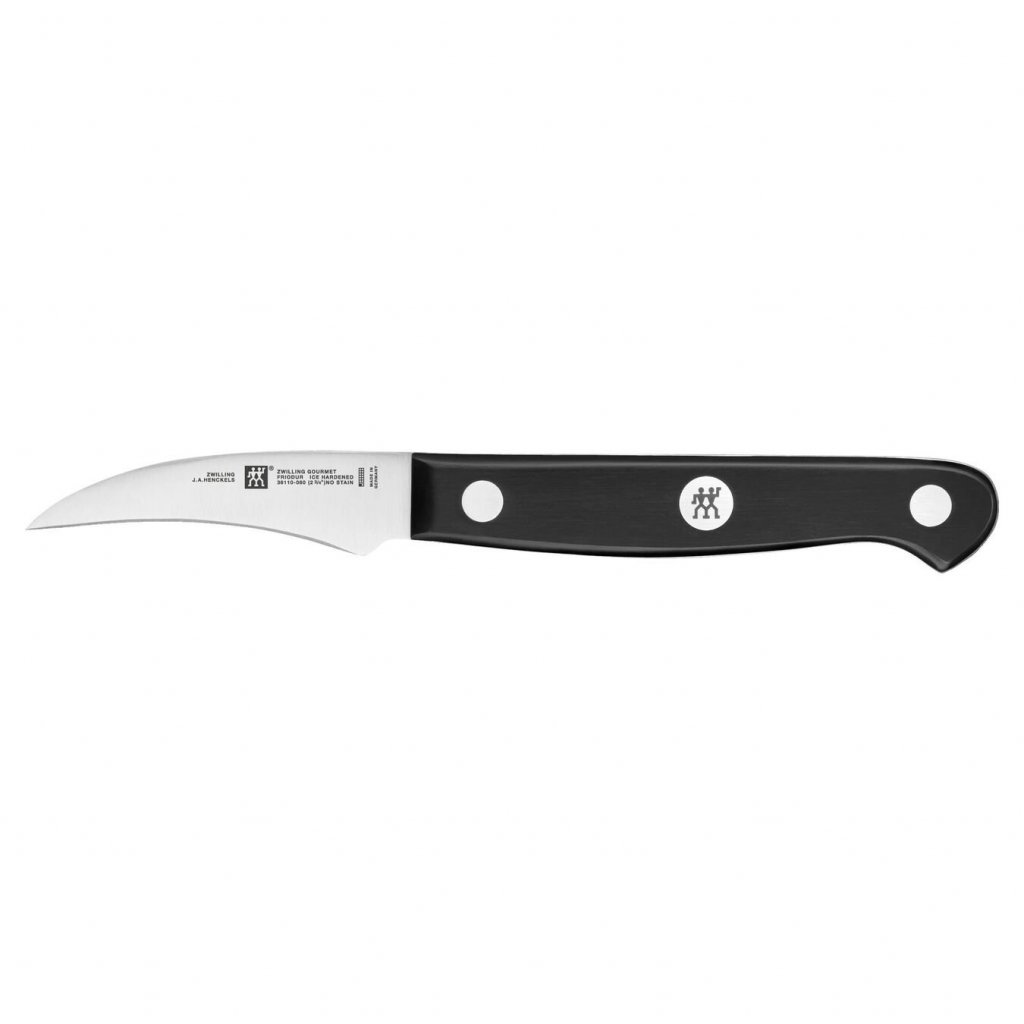
- Blade length between 6-9 cm.
- Short knife with slightly curved blade.
- Suitable for peeling fruit or vegetables and other detailed work including decoration.
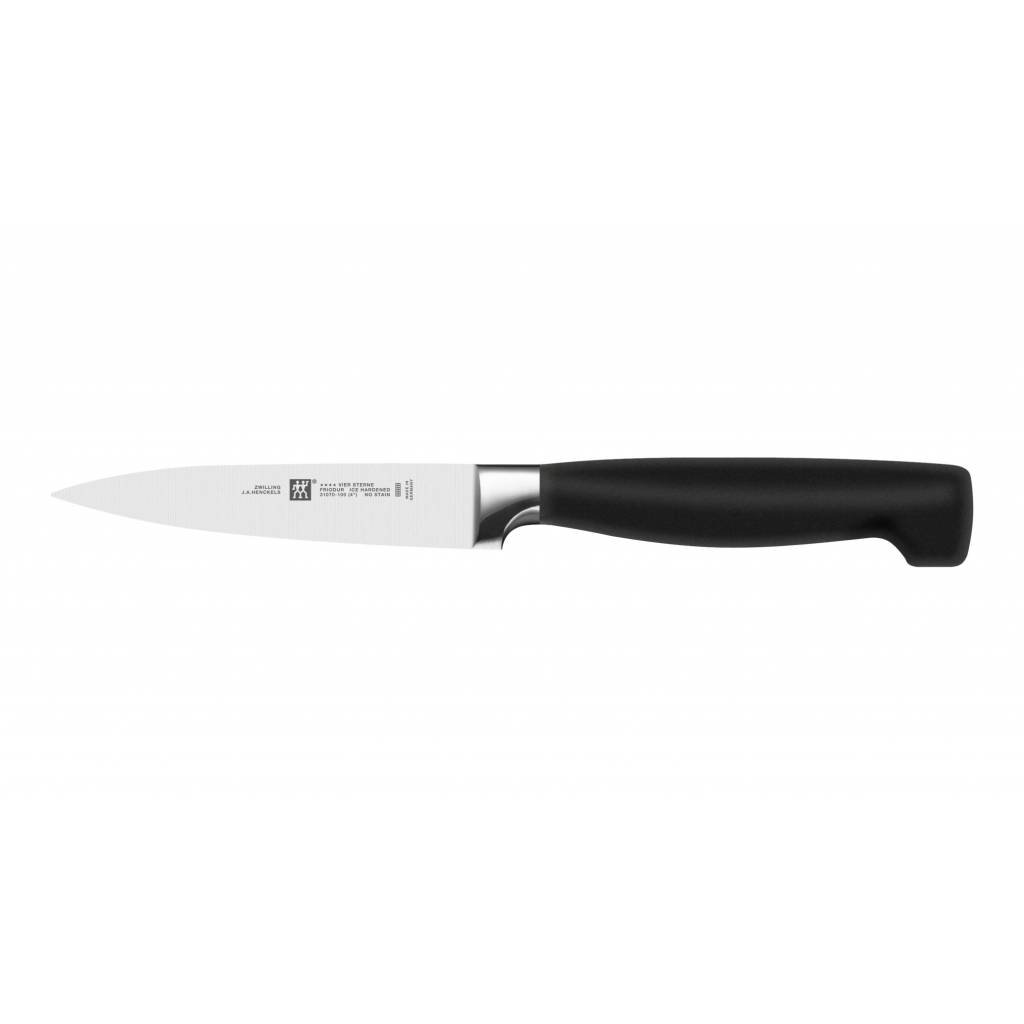
- Blade length between 7-10 cm.
- A small and dexterous knife.
- Made for skewering meat, but also suitable for peeling, detailed slicing and carving.
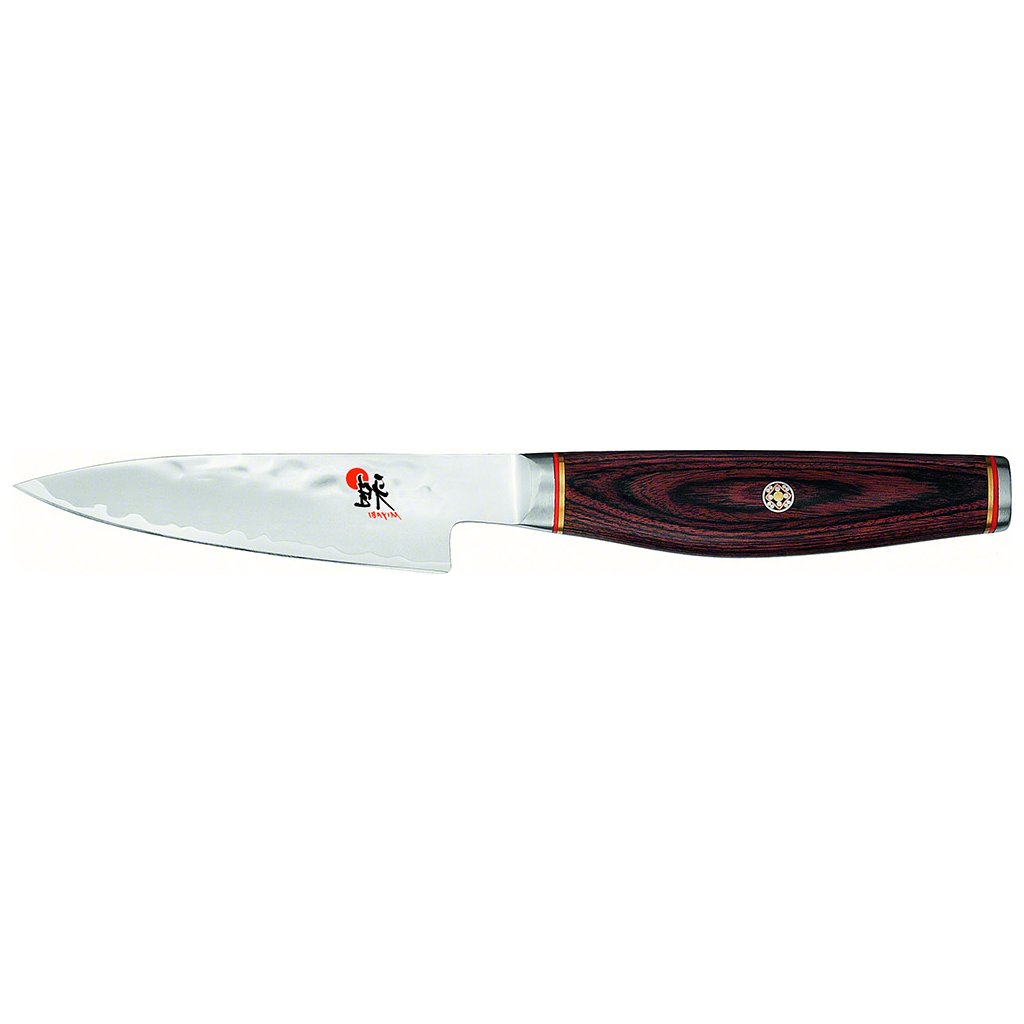
- Blade length between 12-15 cm.
- Japanese short knife with very sharp blade.
- Used for precision work with vegetables and fine meats.
The most popular short knives according to our customers' reviews
Blade material
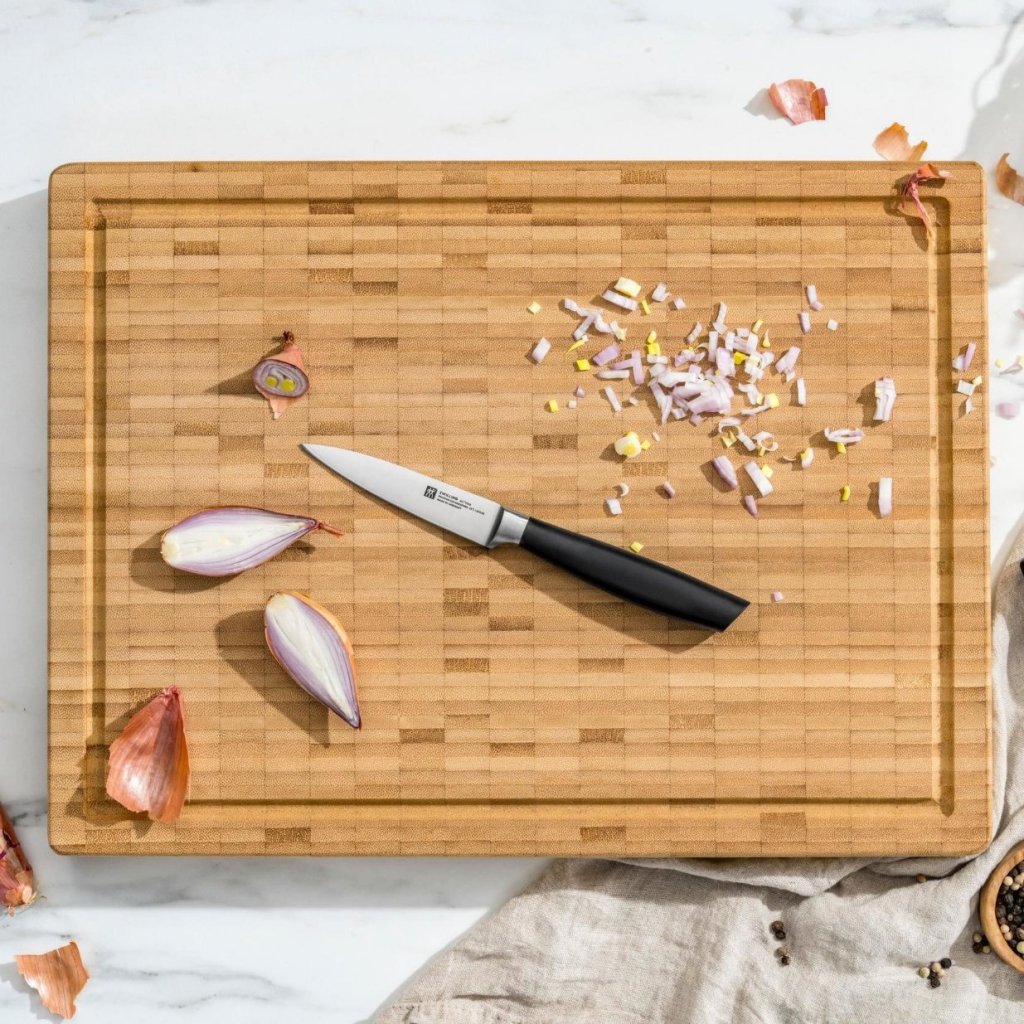
Stainless steel
Carbon steel
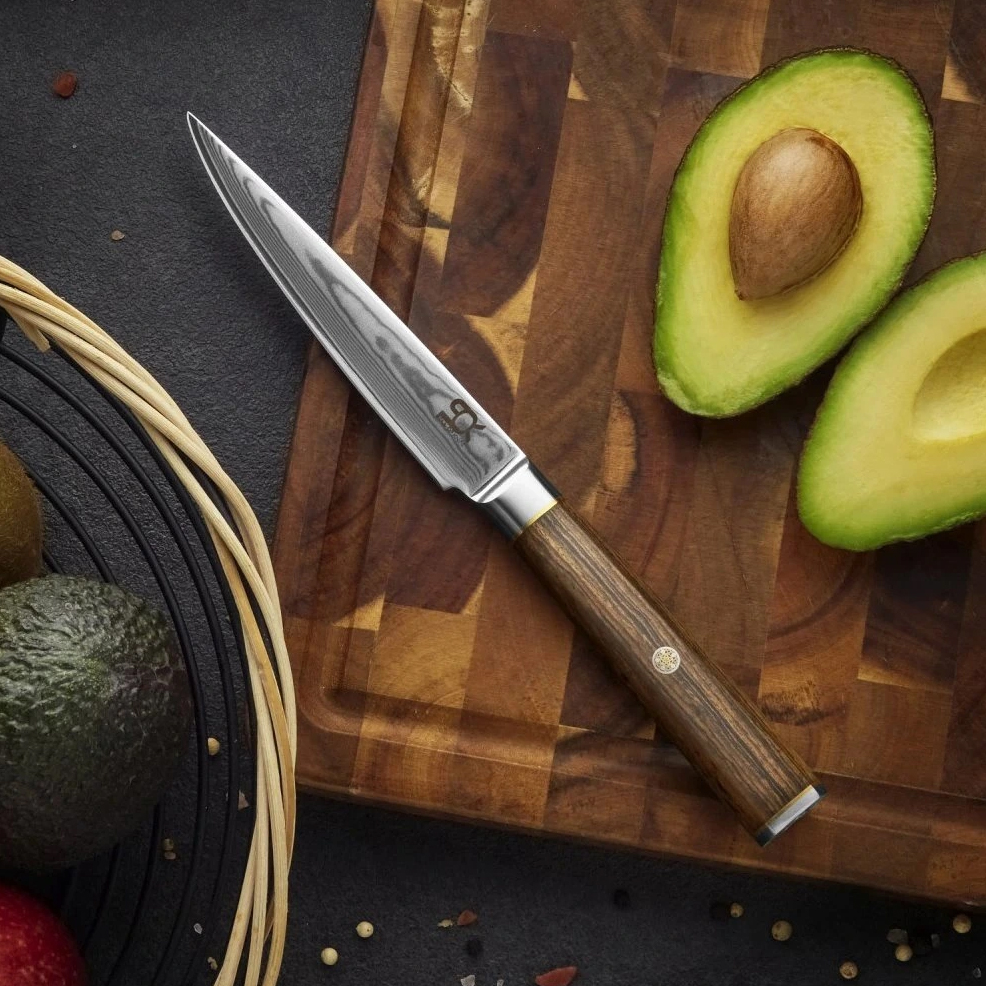
Damascus steel
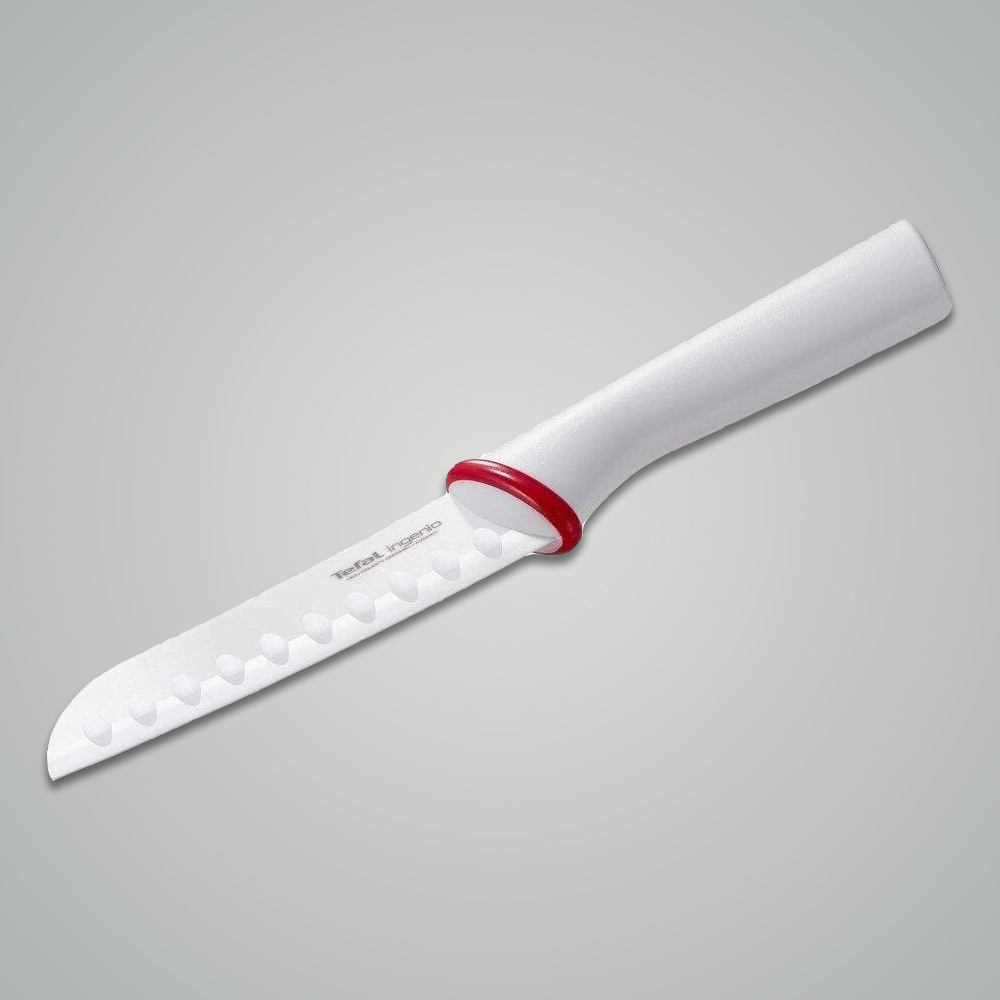
Ceramics
Benefits
It is corrosion resistant, easy to maintain and stays sharp for a long time.
Extremely sharp and easy to sharpen.
It combines hardness, flexibility and is visually attractive thanks to its layered construction.
Lightweight, extremely sharp and no risk of corrosion.
Specifics
It will never achieve the sharpness of carbon or damascus steel.
It requires regular care to prevent it from rusting.
It must be cared for conscientiously to prevent it from corroding.
It requires professional sharpening and is also very fragile and therefore prone to damage.
Quality vegetable knives
Which short knife to choose?
Keep in mind that the knife must first of all fit your hand. Choose the length according to what you will do with it most often. If you use a short knife primarily for vegetables and fruit, a shorter blade up to 7 cm will suit you better. If you are using it to process meat, a longer blade of 7-12 cm will be more optimal for you.
- For normal everyday use (if you don't want to own a whole arsenal of knives): Universal knife 12-15 cm with stainless steel blade and ergonomic handle.
- For precision work: Spiking or a peeling knife with a thin blade.
- For lovers of Asian cuisine: Shotoh with a precision blade.
- For fans of traditional materials: Knife with wooden handle and carbon steel blade.
- For everyone who appreciates style and qualityDescription : Damascus knife with unique pattern and exceptional cutting properties.
Popular spiking knives
How to care for short knives
- Hand washing
Knives simply do not belong in the dishwasher. Rinse the knife with water and mild detergent and dry immediately. - Regular grinding
Even a short blade will dull quickly, so keep it sharp regularly with a sharpener and sharpen it once in a while on a whetstone or have it sharpened by a professional. - Correct storage
Ideally store knives on a magnetic bar, in a block, in a drawer with a special insert or in protective sheaths. This is to prevent damage to the blade.
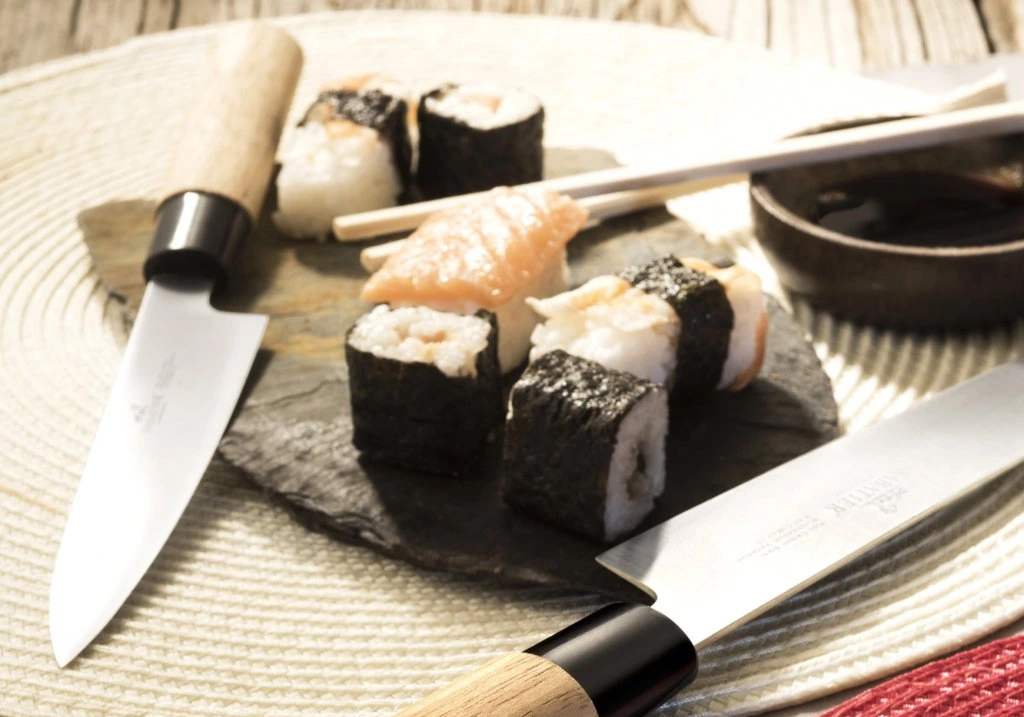
Short Japanese knives
Our tip
Read also


How to choose the right knife length
Did you know that the correct length of the knife is absolutely crucial for efficiency in food preparation? We'll advise you on how to get the knife just right for you.
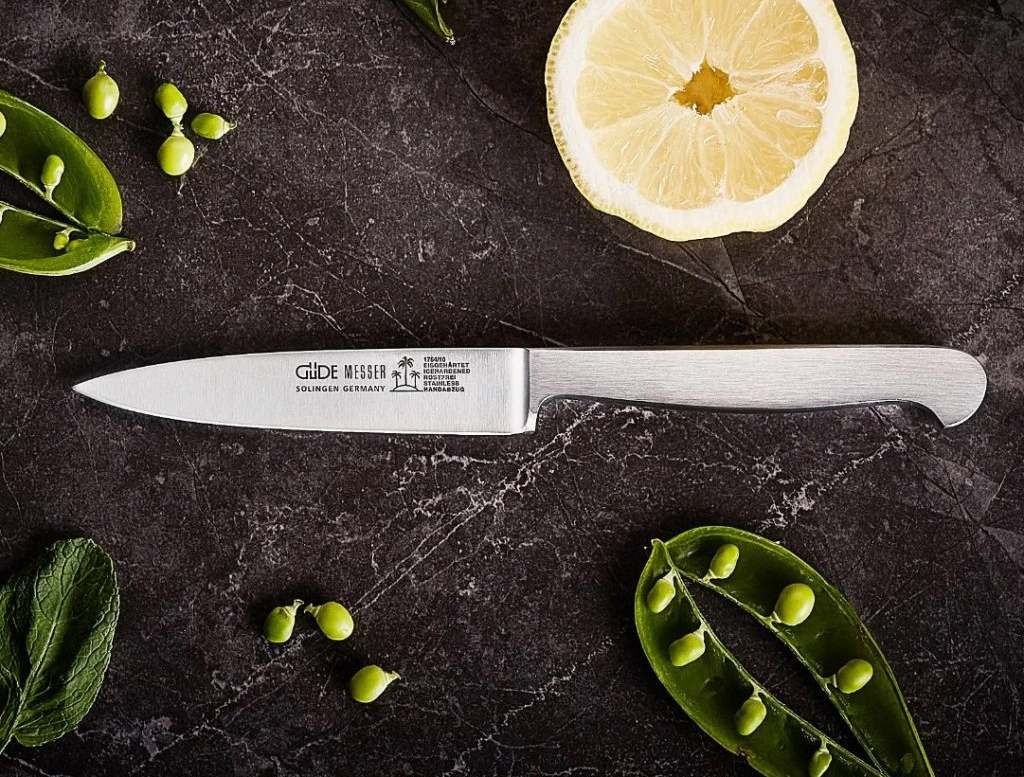
Handle: comfort is key
Before you start choosing a handle material, remember that the knife must first of all fit your hand. This is the only way to make cutting efficient and comfortable.
- Wooden handle - It is beautiful and also pleasant to the touch, but it requires care and bears traces of patina over time.
- Plastic or composite handle - It is moisture resistant and low maintenance. However, it is not very stylish.
- Stainless steel handle - It is elegant, timeless and hygienic. However, it is cool to the touch and can be slippery.
The most popular utility knives according to our customer reviews
The best short knives on the market
If you're looking for a really good quality short knife, rely on these proven brands:
Dellinger - Brand known for its precision damascus knives with exceptionally sharp blades and luxurious design.
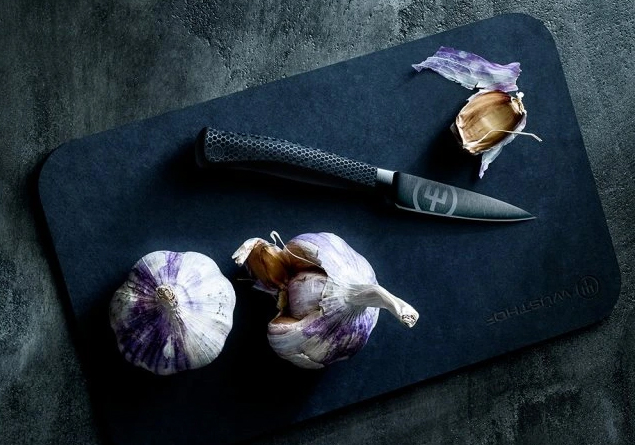
Wüsthof - German quality with a long tradition, their short knives stand out for their durability and ergonomics.
Victorinox - The Swiss brand offers practical and affordable knives with a long service life and universal use.
Dellinger - Brand known for its precision damascus knives with exceptionally sharp blades and luxurious design.
Wüsthof - German quality with a long tradition, their short knives stand out for their durability and ergonomics.
Victorinox - The Swiss brand offers practical and affordable knives with a long service life and universal use.
FAQ
The most frequently asked question
What is the difference between a peeler and a paring knife?
A peeling knife often has a curved blade for easy peeling, while a paring knife is straighter and more suitable for precise slicing.
Can I sharpen a short knife with a whetstone?
Yes, but for a perfect sharpening we recommend a sharpening stone, which better keeps the short blade sharp.
Are ceramic knives better than steel?
Ceramic knives are extremely sharp and light, but they are fragile and can easily break if dropped.
How long will the sharpness of a damascus knife last?
Thanks to their layered construction, damascus knives keep their sharpness longer than conventional steel knives, but they still need to be sharpened regularly.
Which short knife is best for everyday use?
The all-purpose knife with 12-15 cm blade is ideal for most tasks in the kitchen.