Customer support:partner@kulina.com

Milk pot: when is it worth it and when can you easily do without it?

rendlík na mléko

If you often heat milk, prepare delicate sauces, homemade puddings, glazes or porridges, a milk pot will significantly make your work easier. After all, it allows you to work with delicate ingredients without burning, stirring or constant monitoring. It is therefore an ideal choice for parents of young children, lovers of sweet breakfasts or enthusiastic home bakers.

On the other hand, if you don't usually prepare these types of dishes and only heat milk occasionally, you can do without a milk pot.

In summary: when you need it, it's invaluable. If not, feel free to leave it out of your equipment.

What makes a milk pot so special?
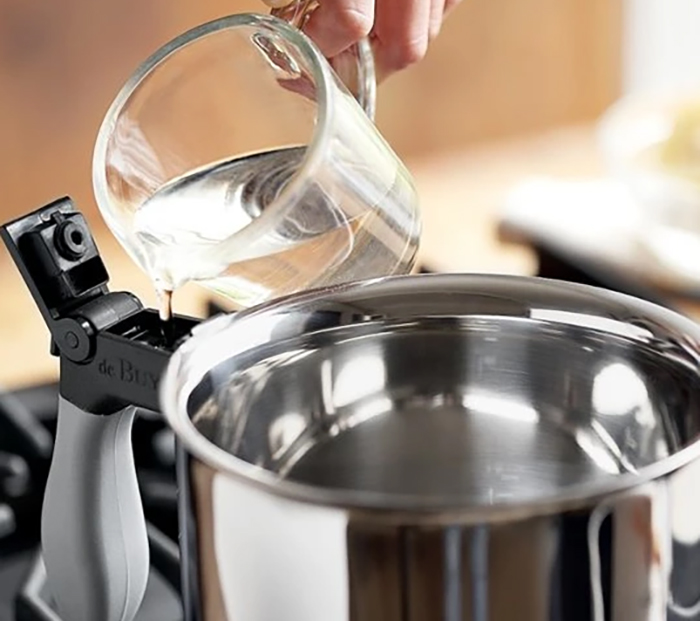
A milk pot typically has a double wall. Water is poured into this, creating a water bath. As such, the milk doesn't come into direct contact with the heat of the hob, it heats evenly, without running out of the pot or burning.

Besides heating milk, you can also use a milk pot for:
  • milk porridge, puddings and béchamel sauces,
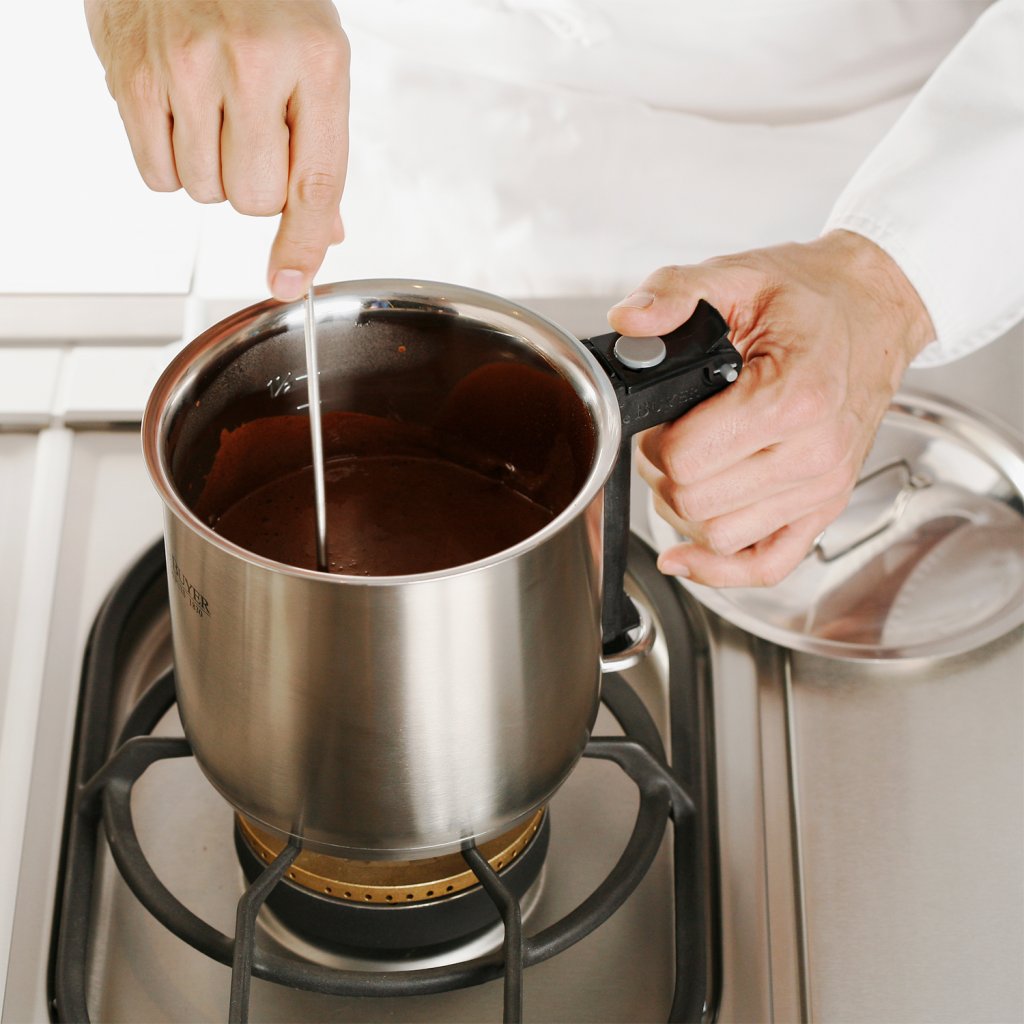
  • chocolate toppings and creams that need slow and gentle melting,
  • egg and cream dishes that would otherwise easily curdle,
  • choux pastry for cream puffs or profiteroles,
  • or gently defrost frozen food in it without the risk of losing texture.
And a practical bonus? If the bottom part of the milk pot can be separated, you can use it as a classic saucepan, so it definitely won't take up unnecessary space in your kitchen.
Milk Pots

High-Quality Milk Pots


What to focus on when choosing a milk pot?
mlekovary
Volume
Most milk pots have a capacity between 1-2 litres, which is perfectly adequate for normal household use - whether you're heating milk for one person or the whole family.
Material
Quality milk pots are made from stainless steel - which is durable and has a long service life. In addition, it can generally also be used on induction hobs.
Temperature signalling
Some milk pots have a built-in thermometer or even signalling to alert you when the milk is ready. It's not essential, but it's a practical feature that prevents accidental boiling over.
Easy maintenance
Opt for models that are dishwasher safe or have easily detachable parts. Clean, stainless steel walls without nooks and crannies guarantee easy maintenance.

jan_hajny

The head chef at the Chefparade cooking school recommends

Milk should never be brought to a boil. Boiling can cause an unpleasant skin to form on the surface, and the cream to separate from the rest of the liquid. The milk will then lose its delicacy, may have a strange taste or lumpy consistency, and will easily curdle during further processing.

kastrulek na mleko
6 tips:
How to cook in a milk pan
  • Don't forget to pour water between the double walls of the milk pan – this ensures even and gentle heating. The amount of water is usually marked by a line or stated in the instructions.
  • Use a medium to low heat setting. A milk pot doesn't work on the principle of rapid boiling, but slow and even heating.
    Don't overfill the pot – leave room for the milk to expand so it doesn't overflow.
  • If your milk pot doesn't have a signal, watch the milk - as soon as small bubbles and gentle steam start to form around the edges of the pot, it's hot enough and it's the perfect time to remove it from the hob.
  • Only stir if necessary – for example, when preparing custard or sauce. Stirring isn't necessary for normal milk warming.
  • After use, allow the milk pot to cool down and pour away any remaining water from the jacket to prevent limescale build-up.
Milk Pots

High-quality jugs that are suitable for stylish milk serving could come in handy.


Which milk pots are top of the range?

If you are looking for a milk pot that won't let you down in terms of functionality, quality or design, choose from tried and tested brands.

WMF offers a wide selection of first-class stainless steel milk pots with practical details and a modern look.

Alessi will appeal especially to design lovers. These milk pots combine functionality with artistic workmanship that will decorate any kitchen.

The French brand de Buyer, popular among professional chefs, prides itself on its precise workmanship and long service life.

And if you prefer a traditionally elegant solution, rely on ZWILLING. It focuses primarily on quality, ergonomics and ease of use.
nejlepsi mlekovary
FAQ
Most frequently asked questions
Is it necessary to fill a milk pot with water every time you use it?
Yes. The water between the double walls is key to the milk pot's function – it creates a water bath that heats the milk evenly and prevents burning. Without water, the milk pot could be damaged.
What to do if limescale starts to form in the milk pot?
You can remove limescale in the same way as you would with a kettle, for example - simply pour water with a little vinegar or citric acid into the outer part, heat briefly and leave to take effect. Then rinse thoroughly.
How do I clean a milk pan?
After each use, disassemble the milk pan, pour out any remaining water and rinse both parts. Many stainless steel milk pans can also be washed in the dishwasher. However, always follow the manufacturer's instructions.
Can I heat other foods in a milk pan?
Yes. A milk pot is ideal for all delicate dishes – such as puddings, sauces, chocolate, choux pastry or egg custards. It's also great for defrosting or keeping food warm.
Can a milk pot be used on an induction hob?
Most modern stainless steel milk pots are induction compatible. When choosing, always check that the model has a magnetic base.