.png)
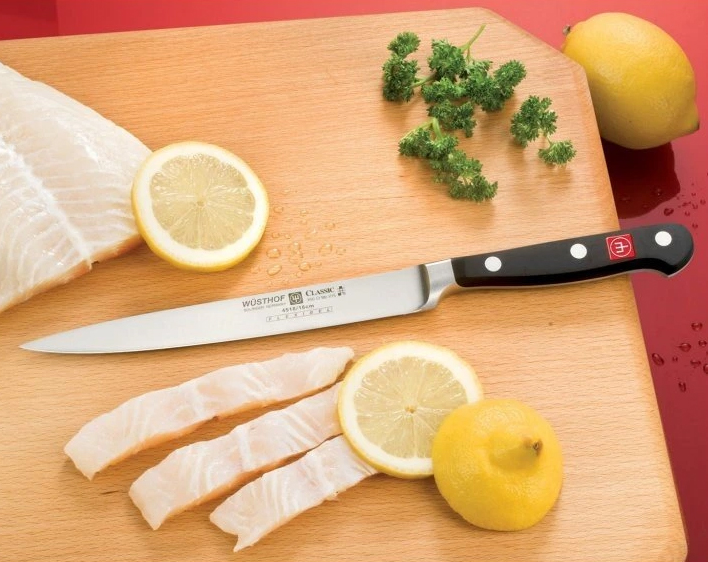
The filleting knife is an indispensable tool for anyone who prides themselves on precise and efficient work with meat. Its main advantage is its long, narrow and flexible blade, which easily adapts to the shape of the raw material and allows you to make smooth cuts with maximum precision. Although it is most often associated with filleting fish, its use is much broader - it is also perfect for carving poultry, removing bellies and tendons from meat or cutting out fine slices for carpaccio, for example.
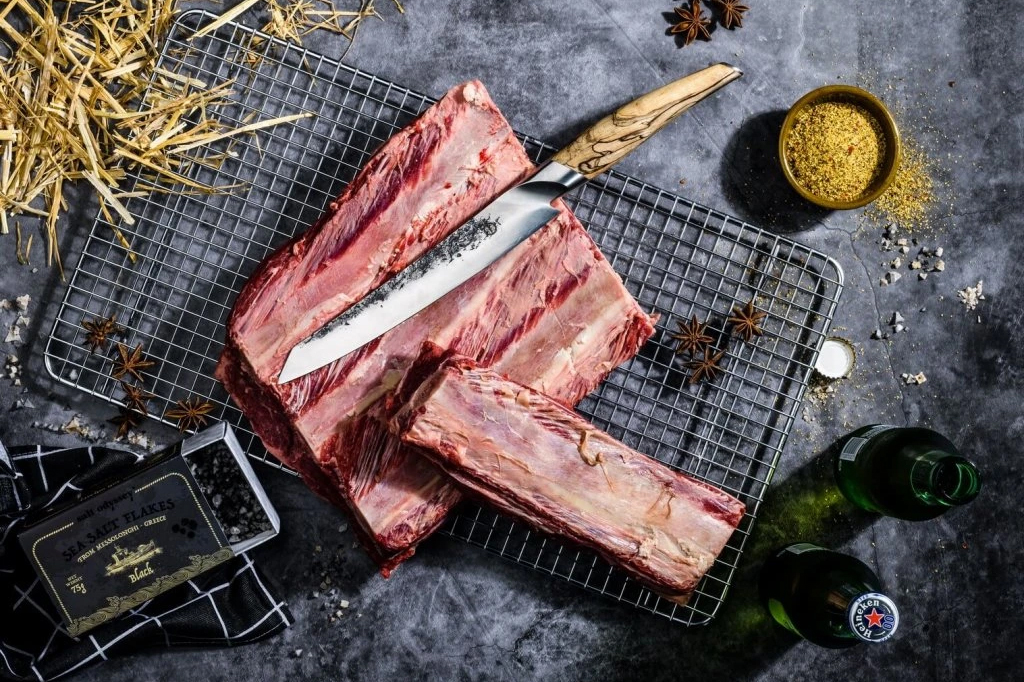
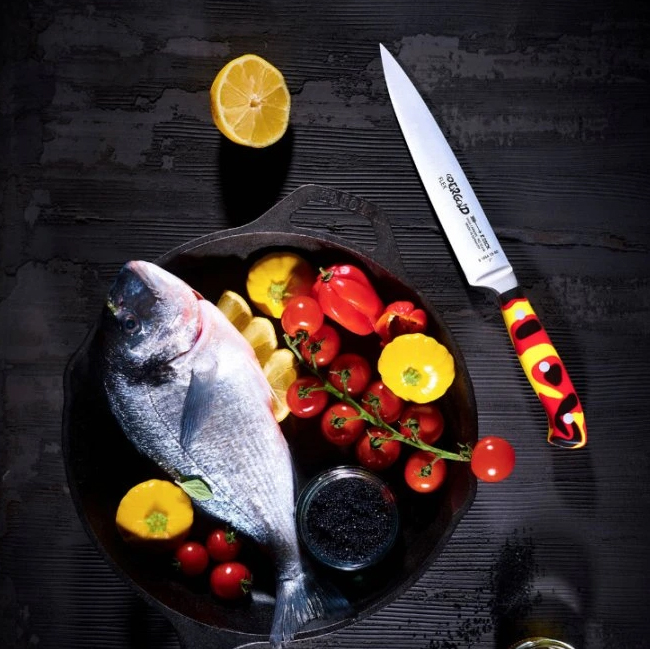
What makes a filleting knife different from others
Unlike utility or chef's knives, the filleting knife is designed to minimize waste and ensure maximum yield of raw material. Thanks to the flexible blade, it allows smooth and precise guidance of the cut along the bone or surface of the meat without disturbing it.
It also differs from the boning knife, with which it is often compared:
- Filleting knives they have a longer (usually 15-20 cm) and more flexible blade, which allows for a gentle and smooth guidance of the cut along the bone or skin, which is crucial for obtaining perfect fillets.
- Boning knives They are shorter (12-17 cm) and have a sturdier blade that gives better control when separating meat from bone, for example when boning chicken or pork. Compared to filleting knives, they are less flexible, which is an advantage when working with tough meats and joints.
Quality filleting knives
How to choose the right filleting knife?
The choice of filleting knife depends on its intended use, with the more flexible blade being suitable for delicate work, while the stiffer blade provides better control when boning or carving larger cuts of meat.
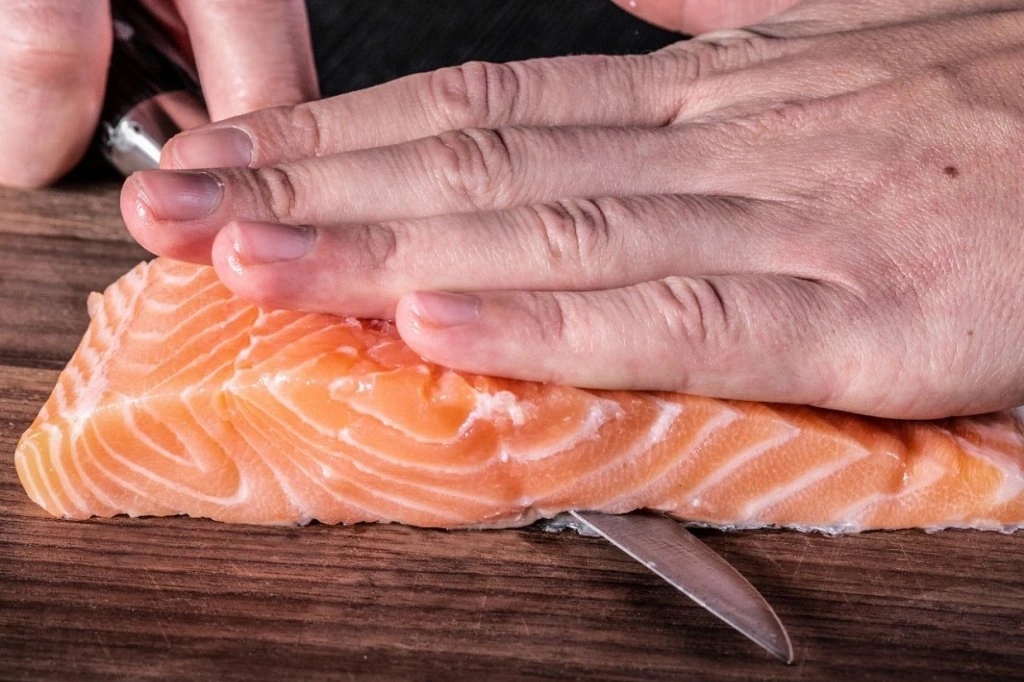
To fish
The longer and narrower blade (usually 15-20 cm) makes it easier to separate the meat from the skin and bones, allowing you to create perfect fillets with minimal loss.
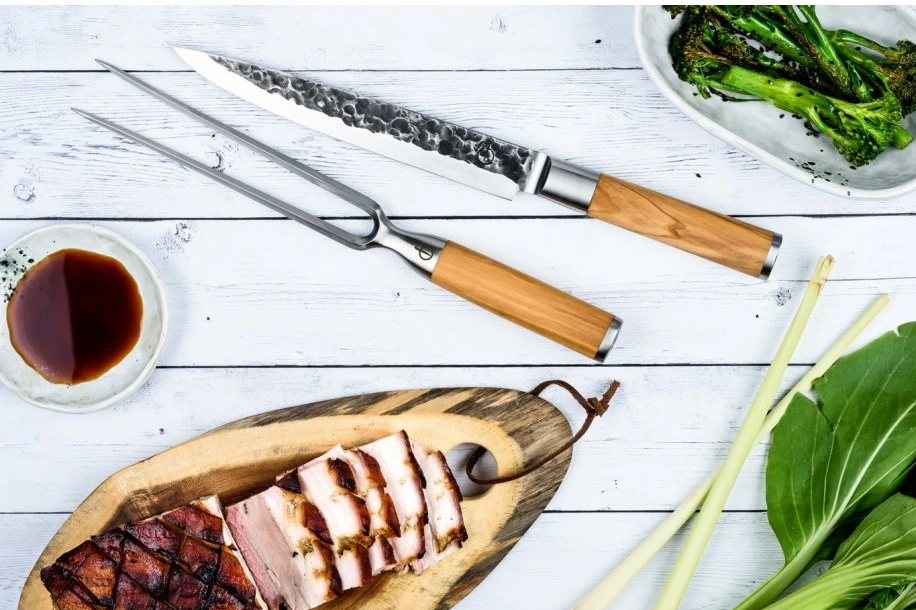
For meat
The slightly shorter and sturdier version (12-17 cm) is ideal for precise removal of bellies, tendons and fat, but also for cutting poultry.
4 steps for
Proper use and care
To make sure your filleting knife lasts as long as possible, it is important to follow a few simple steps:
- Use appropriate cutting board (wooden or plastic) and avoid hard surfaces such as glass or stone.
- Sharpen the knife regularly with a grinder or a sharpenerto maintain optimum sharpness.
- After use, wash by hand and dry immediately to avoid damaging the blade.
- Store it in block on the blade or on the magnetic bar to avoid dulling or damaging the blade.
Reliable knife blocks and knife stands
Our tip
Read also

Everything you need to know about meat knives
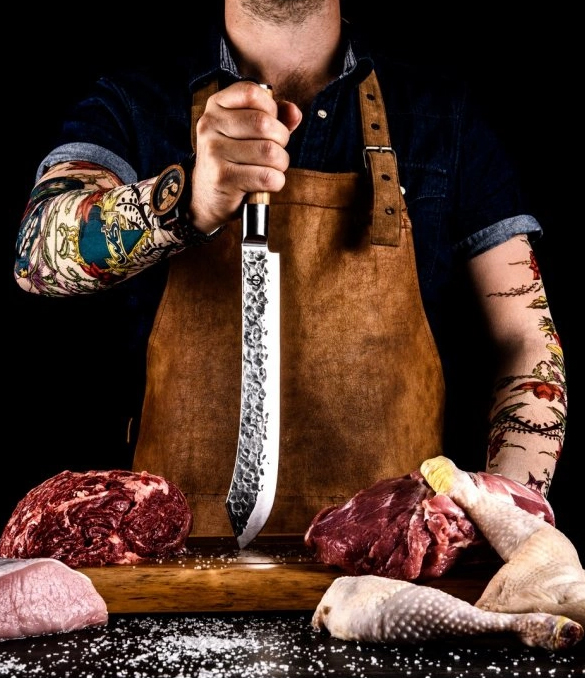
It's not just a filleting and boning knife, there are many more. We'll explain what they're used for and when they're worth getting.
The best filleting knives on the market
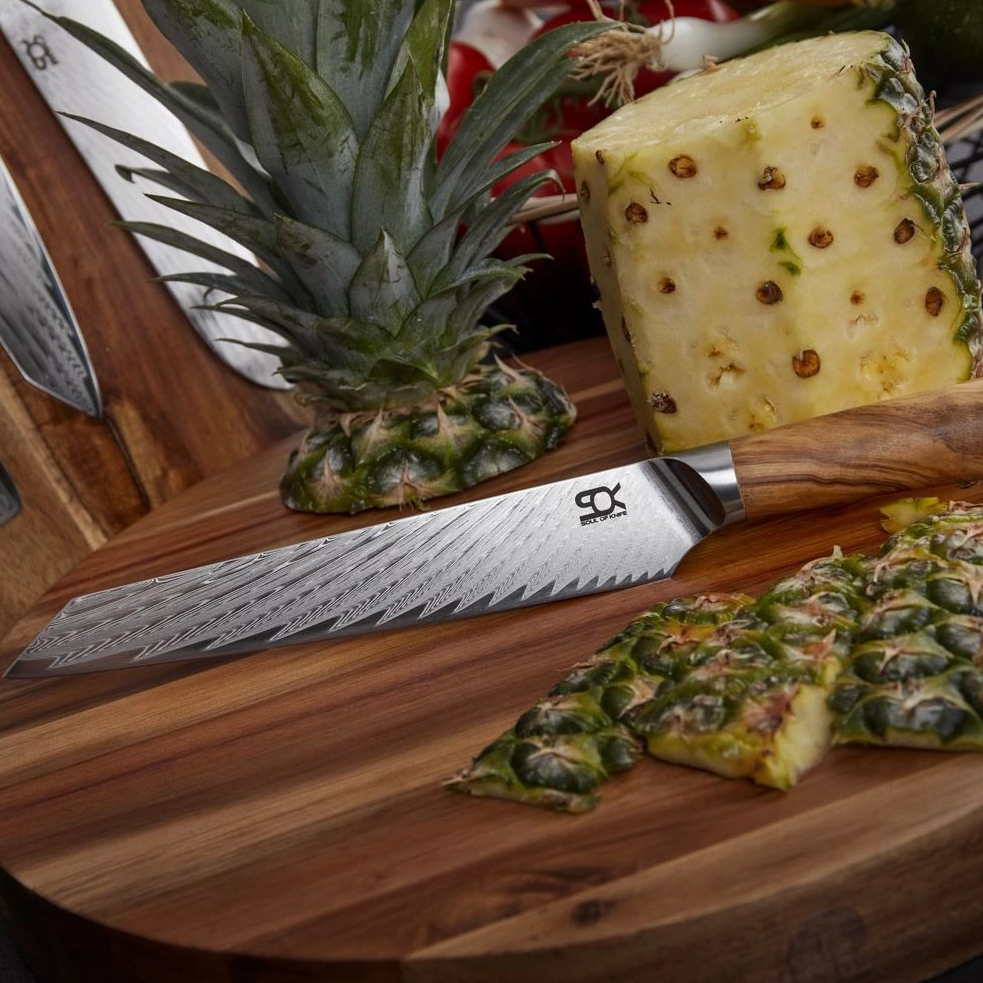
If you're looking for a really high-quality filleting knife, rely on proven brands that combine precision workmanship, top-quality materials and long service life. Knives Forged they are known for their handmade craftsmanship with elegant design and high durability, ideal for the discerning cook. Wüsthof, a traditional German manufacturer from Solingen, offers filleting knives with extremely sharp blades made of premium steel that excel in ergonomics and cutting precision. If you are looking for exclusive craftsmanship, Güde Solingen It represents a combination of handmade and modern technologies, which guarantees perfect performance and long life of the knives. These brands guarantee quality, whether you are filleting fish, carving meat or working with fine slices.
FAQ
The most frequently asked question
What is the difference between a filleting knife and a boning knife?
The filleting knife has a longer, narrower and more flexible blade that easily adapts to the shape of the raw material and allows precise filleting of fish or slicing of thin slices of meat. The boning knife, on the other hand, is shorter, stiffer and less flexible, making it easier to work with meat around bones and joints.
What can I use the filleting knife for?
The filleting knife is ideal for preparing fish - skinning, filleting and boning. It's also great for carving poultry, removing bellies and tendons from meat, or cutting fine slices for carpaccio, for example.
How do I know a quality filleting knife?
A quality filleting knife should have a sharp, thin and flexible stainless steel blade that resists corrosion. An ergonomic handle ensures a comfortable grip and safe handling. The length of the blade is usually between 15-20 cm, with longer knives being more suitable for larger fish and meat.
How to properly maintain a filleting knife?
After each use, rinse the knife by hand in warm water and mild detergent and dry immediately. Sharpen it regularly with a whetstone or sharpener and store it separately from other knives, ideally in a block or on a magnetic rail to prevent dulling of the blade.
What is the best filleting knife for fish?
For filleting fish, a knife with a thin, long and flexible blade (18-20 cm) is best, making it easier to remove the skin and guide the cut along the bones. If you are working with larger fish species, choose a longer blade, for smaller fish a shorter and narrower design will suffice.