French heritage

French heritage
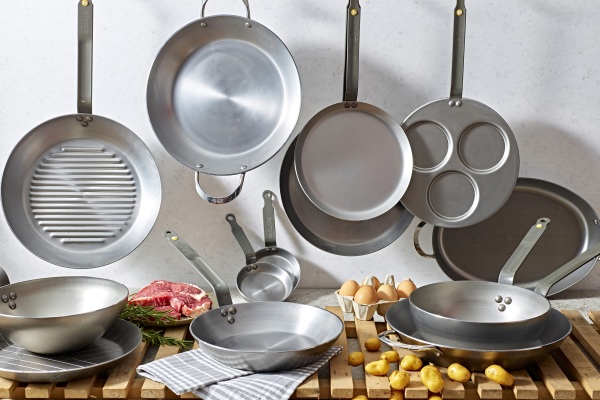
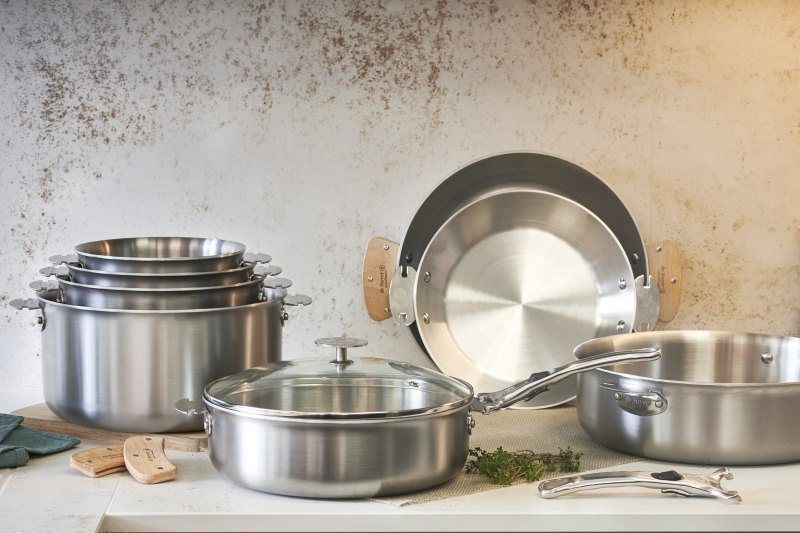
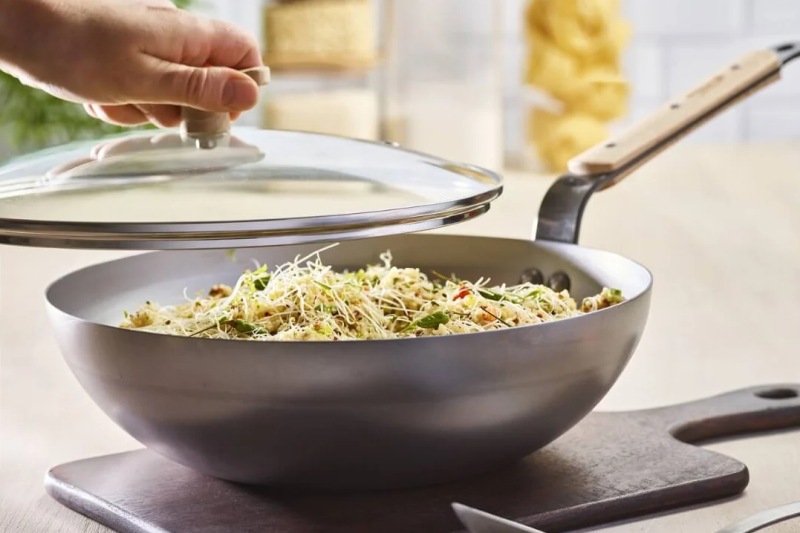
de Buyer steel pans
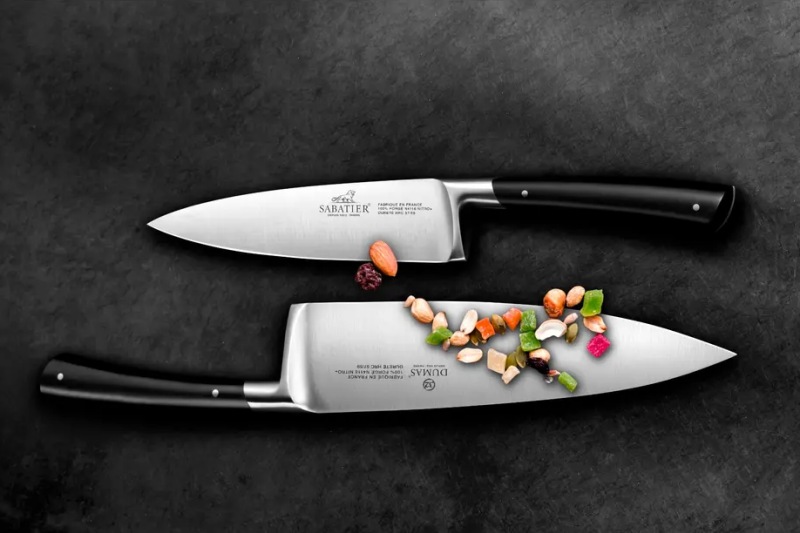
Lion Sabatier knives
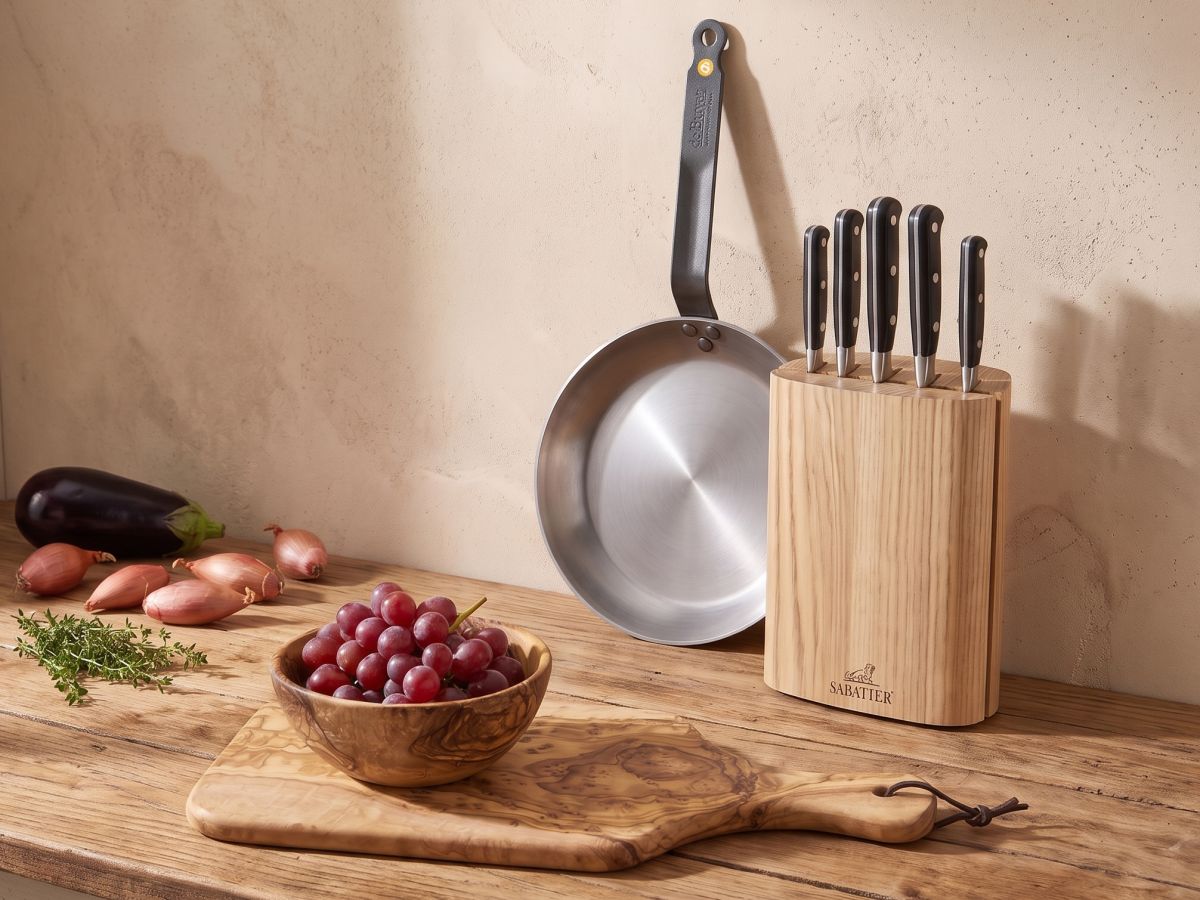
Two artisan workshops. Over 200 years of experience. One common language – excellence.
Some crafts cannot be rushed. In the workshops of de Buyer and Lion Sabatier, it has been passed down from generation to generation since the 19th century – one forges pans that only improve with years of cooking, the other sharpens blades with surgical precision.
Mastery of French cuisine
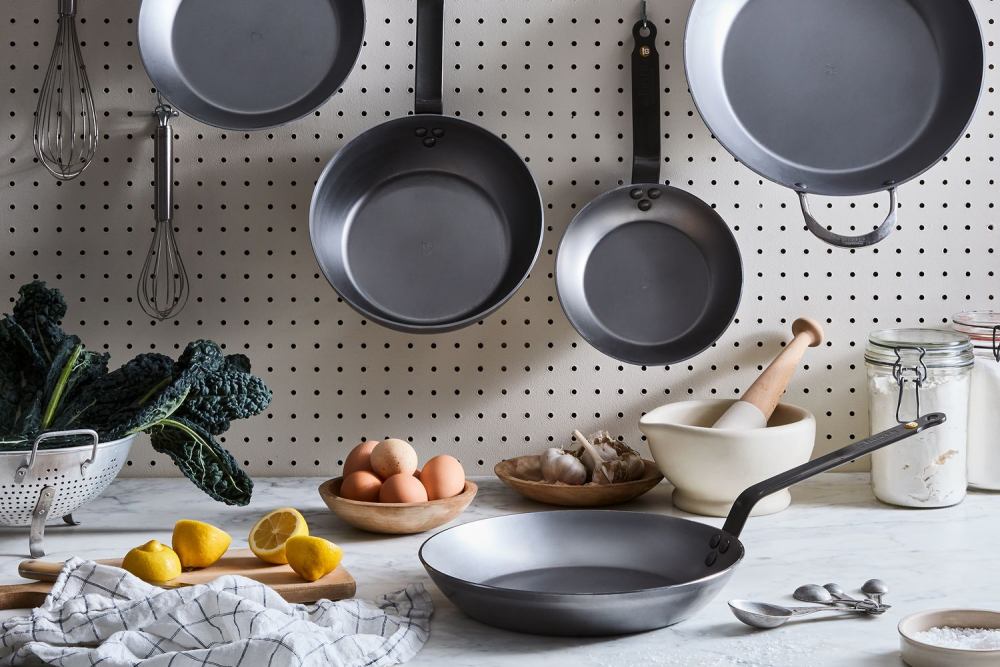
1830, the Vosges. It was then that de Buyer began hand-riveting steel pans in a way that has remained virtually unchanged to this day. Carbon steel has one property that artificial coatings can never replicate: the longer and more often you use it, the better it performs. You don't buy non-stick performance in a shop; instead, you gradually "season" it yourself.
The lion that must not lie
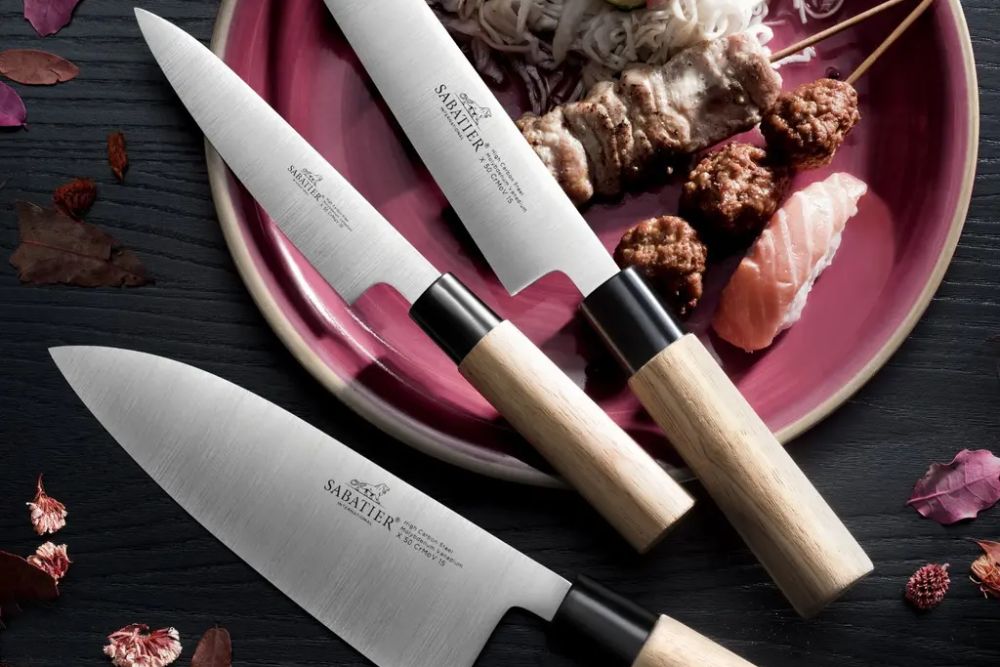
Since 1812, Lion Sabatier has been manufacturing knives in Thiers under the sign of the lion – a symbol that, under French law, only this workshop is allowed to use. The blades are still largely finished by hand, just as they were two centuries ago when the craft was passed down between families of local blacksmiths.
Top series

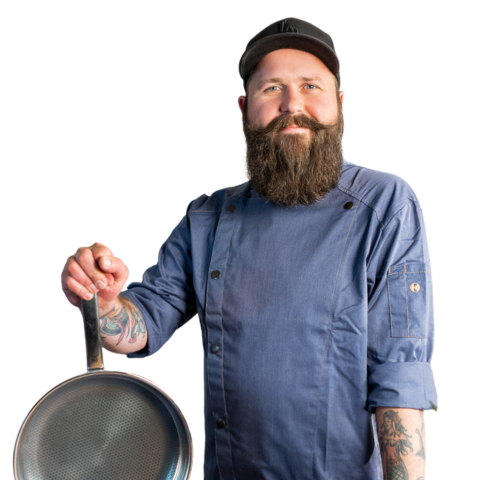
“I would easily call a de Buyer pan and a Lion Sabatier knife the married couple of French cuisine. One can sear a steak to perfection, while the other slices it beautifully. And both, with a little care, will easily last you for two generations.”
Jan Křídlo, head chef of the Chefparade cooking school