.png)
Precise, sharp and multifunctional. This is a skewer that, in addition to skewering the meat it was created for, can also clean vegetables or help with boning. It is slightly (2-3 cm) longer than the classic vegetable knife, many people find it more suitable and thus it becomes a "small universal knife" in their kitchen. We can help you choose the best one.
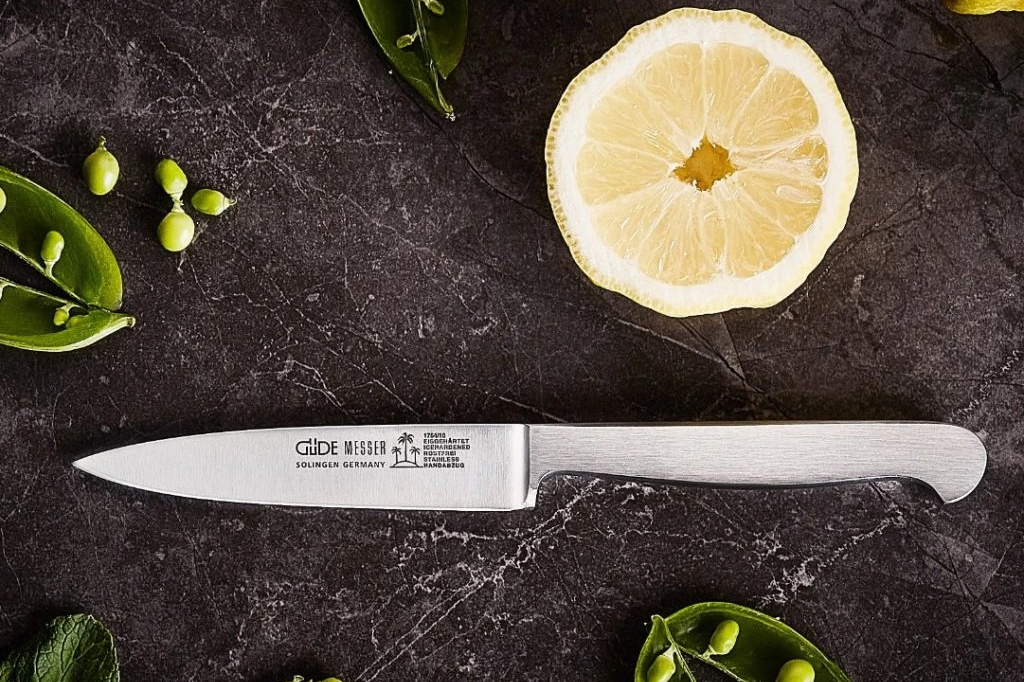
Let's compare
Spiking knives vs. vegetable knives
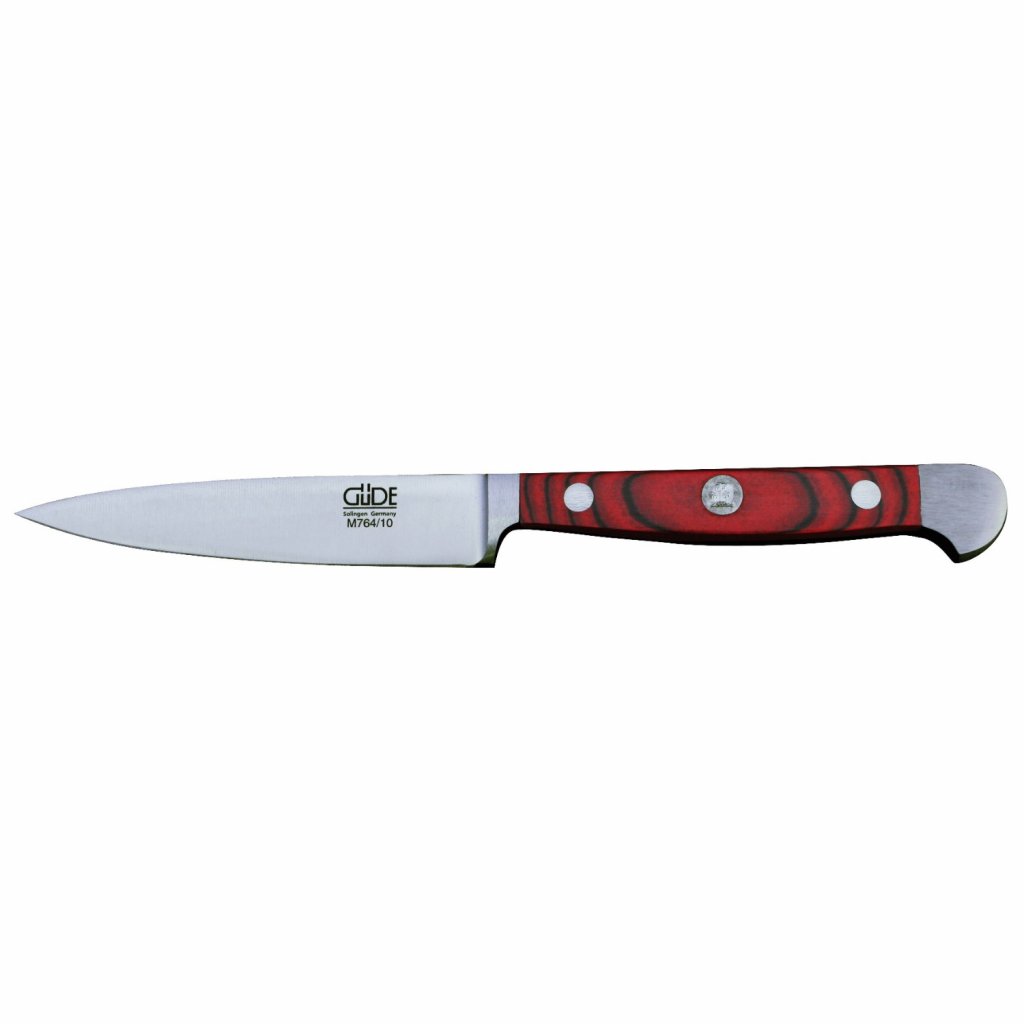
Spiking knives
- Longer and narrower blade (9-13 cm) for precise work.
- The thin blade reduces cutting resistance and ensures maximum precision.
- The sharp tip easily penetrates the fibres of the meat, making it easier to skewer.
- Also great for boning smaller cuts of meat, removing tendons or skin, but also for finely slicing herbs, citrus or garlic.
- The thin blade reduces cutting resistance and ensures maximum precision.
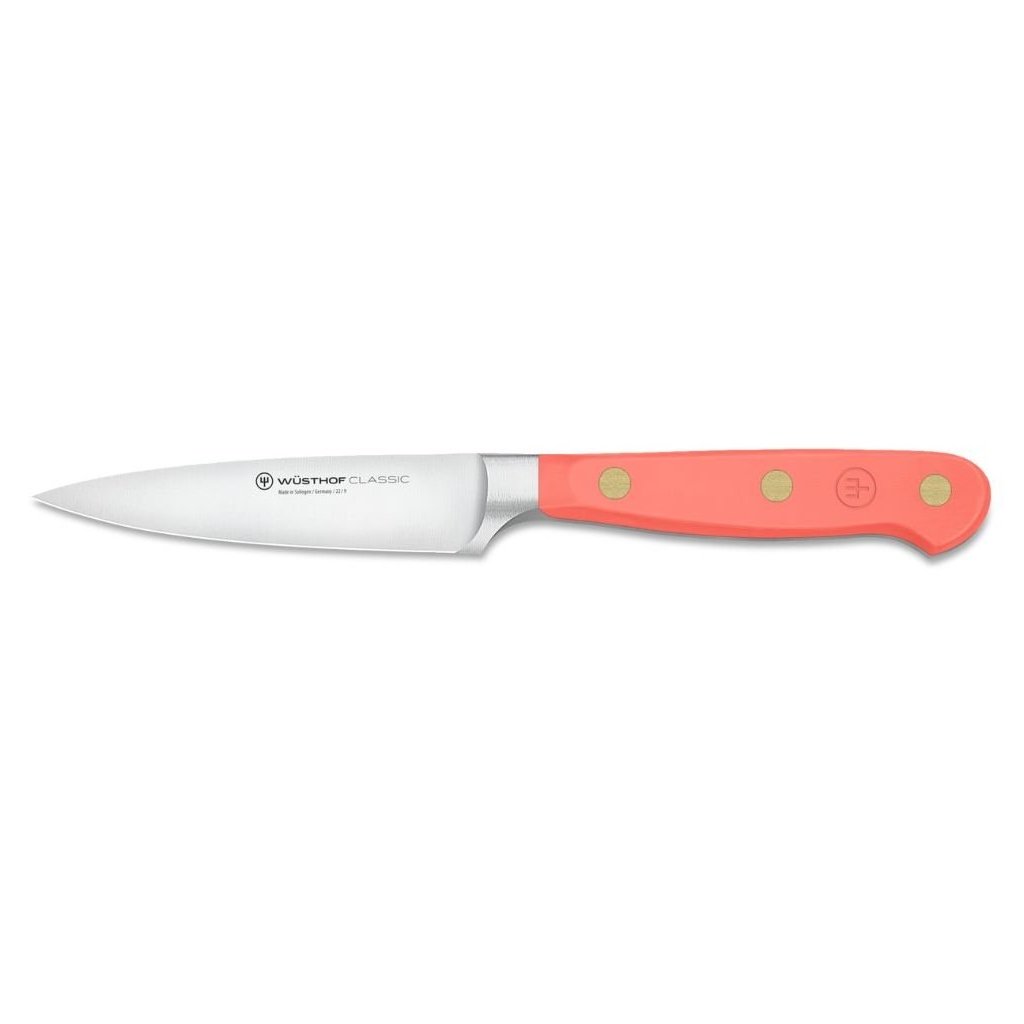
Knives for vegetables
- Shorter blade (7-10 cm) for maximum control when working.
- Wider and stronger blade suitable for peeling, slicing and cutting.
- Ideal for working with smaller vegetables and fruit - cleaning, scraping, slicing.
- Straight or slightly curved blade for easy cutting on the cutting board and in the hand.
- They can also cut smaller cheeses, slice chocolate or decoratively cut out vegetables and fruit.
Popular spiking knives
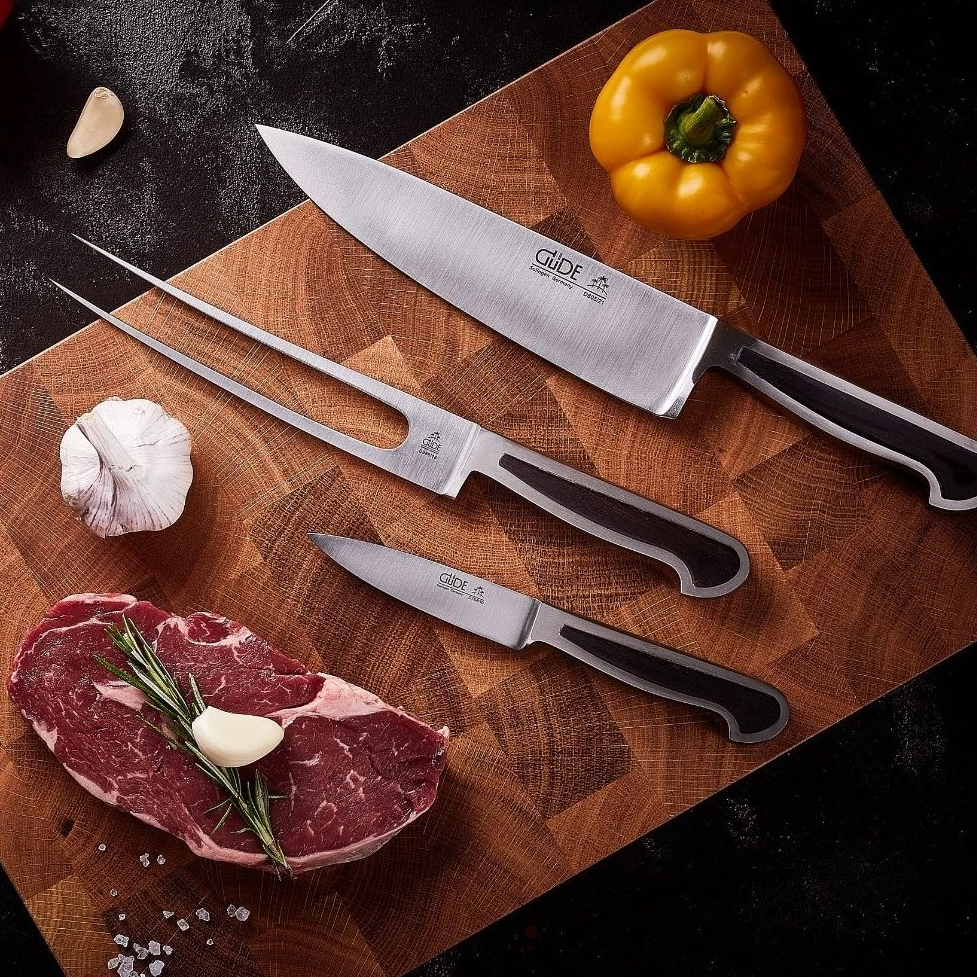
What a skewer is good for
- When preparing meat - If you often prepare meat, whether beef tenderloin, pork roast or poultry, the skewer will help you to precisely cut and insert bacon or herbs.
- For boning smaller cuts of meat - Thanks to its slim blade and sharp tip, it is ideal for removing bones from chicken thighs or rabbit meat.
- For trimming smaller vegetables and fruit - With it, you can easily remove pips, peel citrus fruits, chop garlic or precisely slice strawberries and other small ingredients.
- For anyone who wants to have control over the cut - Suitable for both professional chefs and home enthusiasts who appreciate the precision and comfortable control of the knife.
- For fine culinary work - Whether it's cleaning mushrooms, shaping dough or carving decorative patterns out of fruit and vegetables, the skewer knife is also a great help in these activities.
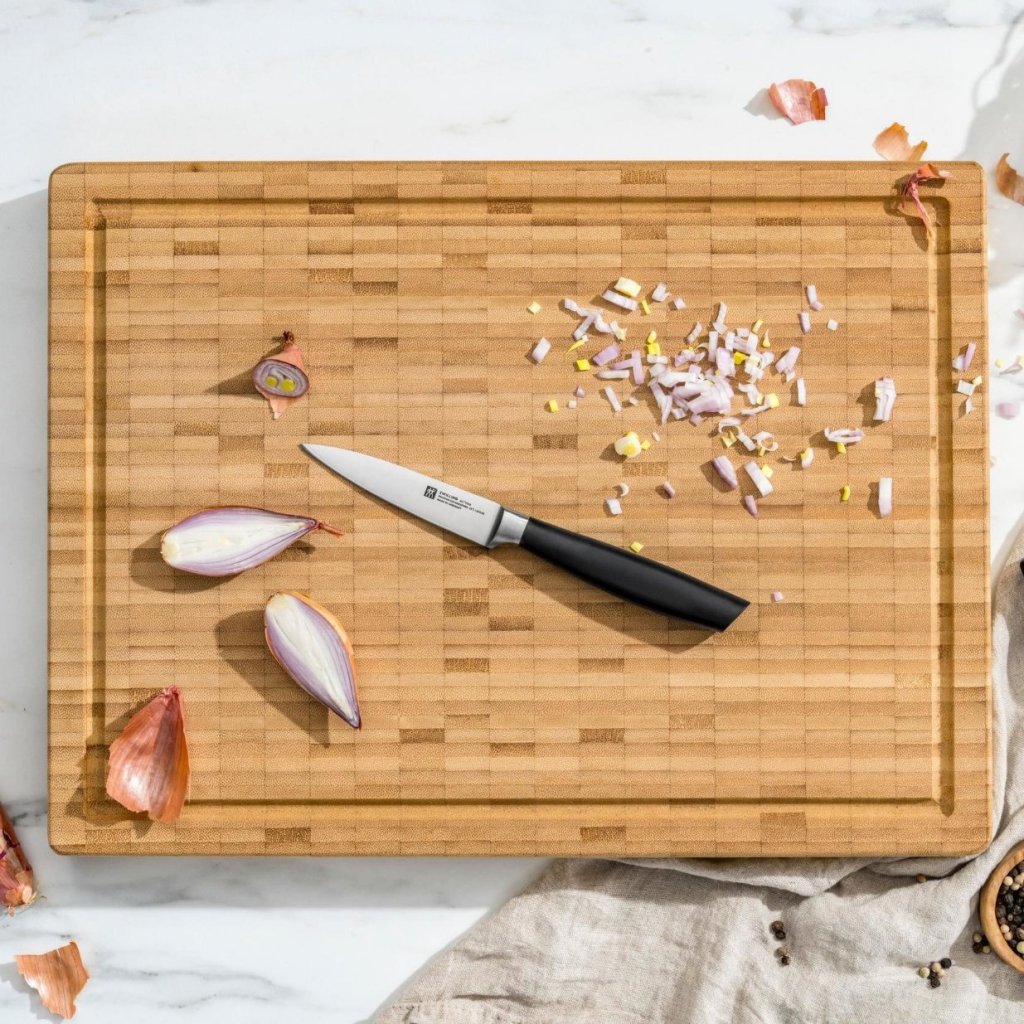
How to choose the best skew knife
- Blade material - Quality knives are made of stainless steel or carbon steel, which ensures long life and uncompromising sharpness. Some models also have a special coating for better corrosion resistance.
- Blade length - Usually ranges between 8 and 12 cm, with shorter ones (8-10 cm) being good for precision work, longer ones (10-12 cm) being more versatile. In both cases, however, it is a short knife, which ensures maximum precision and dexterity.
- Handle - It should be ergonomic, because only with a knife that fits perfectly in your hand can you work well. In terms of material, wooden handles look stylish but can show signs of patina over time, while stainless steel and plastic handles are not as elegant but are highly durable and easy to maintain.
- Balancing - Only a correctly balanced blade allows precise guidance of the cut and increases comfort when working.
Our tip
Read also

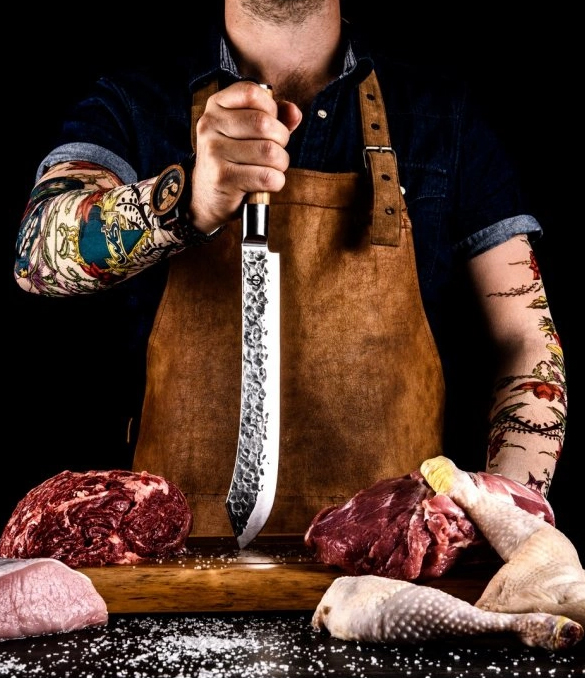
All about meat knives
Are you looking for a knife other than the spork knife for preparing meat? We have the complete guide to meat knives for you.
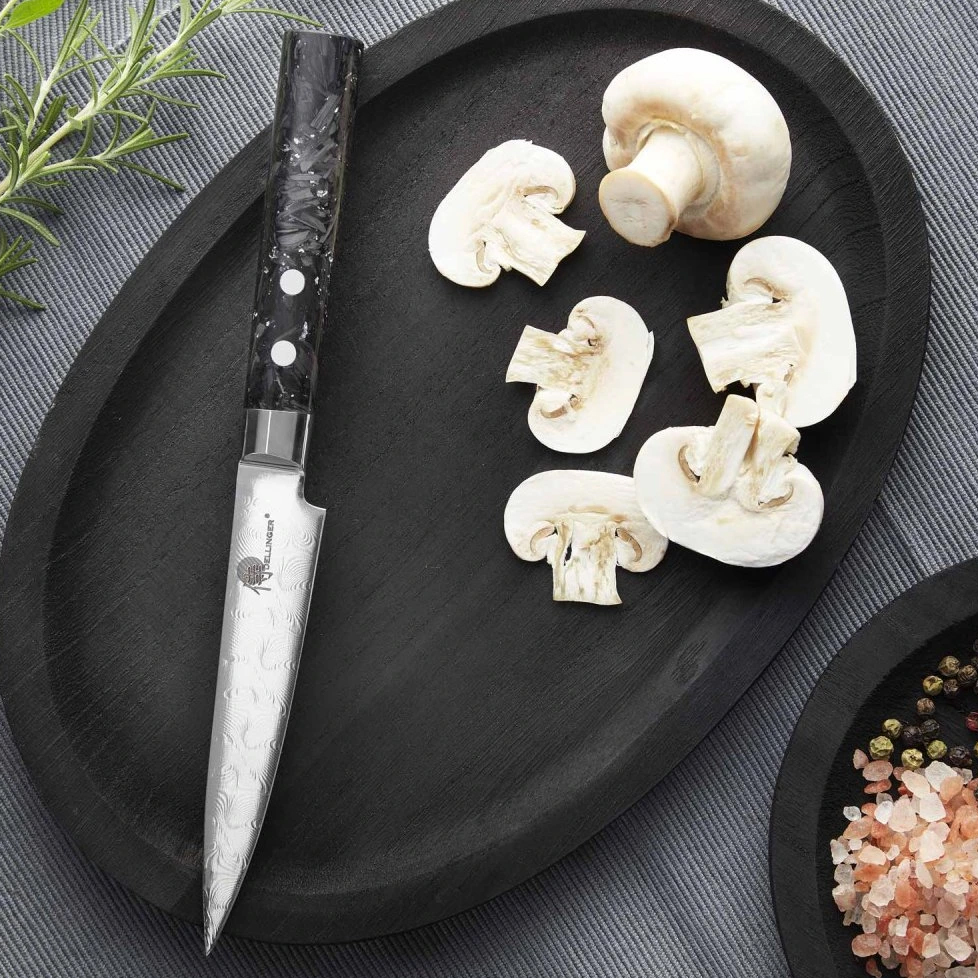
Extend the life of your knife
How to properly care for a skewer knife
To ensure that your knife lasts as long as possible, it is important to take good care of it:
- Always cut on soft boardsideally made of wood or plastic. Glass or stone cutting boards are too hard and can dull the knife quickly.
- After each use, rinse the knife by hand in warm water and mild detergent and dry immediately with a soft cloth.clothto prevent damage to the blade or corrosion.
- The dishwasher is not suitable for knives because aggressive cleaning agents and high temperatures can shorten the life of the material and damage the handle.
- Regular wrapping with a sharpener keeps the blade sharp, while occasional grinding on a whetstone or professional sharpening will ensure the knife retains its precision for many years.
- For safe storage, we recommend a magnetic bar, wooden block or protective case to prevent dulling of the blade.
Popular knife blocks and knife stands

The best spiking knives on the market
Among the top manufacturers of paring knives are mainly German brands with a long tradition and precise workmanship. Wüsthof is synonymous with perfect sharpness and balance, making its knives the preferred choice of professionals and discerning home cooks alike. Zwilling combines craftsmanship tradition with modern innovations and offers knives with excellent durability and long service life. For true connoisseurs, it is worth mentioning Güde Solingen, a brand that specialises in handmade jewellery and supplies the market with gems of cutlery art directly from the famous German metropolis of Solingen.
FAQ
The most frequently asked question
What is the difference between a spiking knife and a utility knife?
The skewer is smaller, narrower and has a sharper tip, making it ideal for precision tasks such as skewering meat, boning or delicately slicing fruit and vegetables. The utility knife is larger, sturdier and more suited for general slicing or chopping, but doesn't offer as much control over detail.
Is a rigid or flexible blade better?
The rigid blade is more suitable for working with meat and harder ingredients, while the more flexible blade facilitates precise tasks such as filleting or peeling.
How often does the knife need to be sharpened?
It depends on use, but regular dressing with a whetstone and occasional grinding on a stone or grinder is recommended.
Can I wash the knife in the dishwasher?
I'd rather not! The dishwasher shortens the life of the blade and the handle.
How to take care of a skewer?
Always wash the knife by hand and dry immediately. Regular sharpening will ensure that it retains its sharpness for many years.